Ruxolitinib Phosphate Tablets
| Product Attribute |
Details |
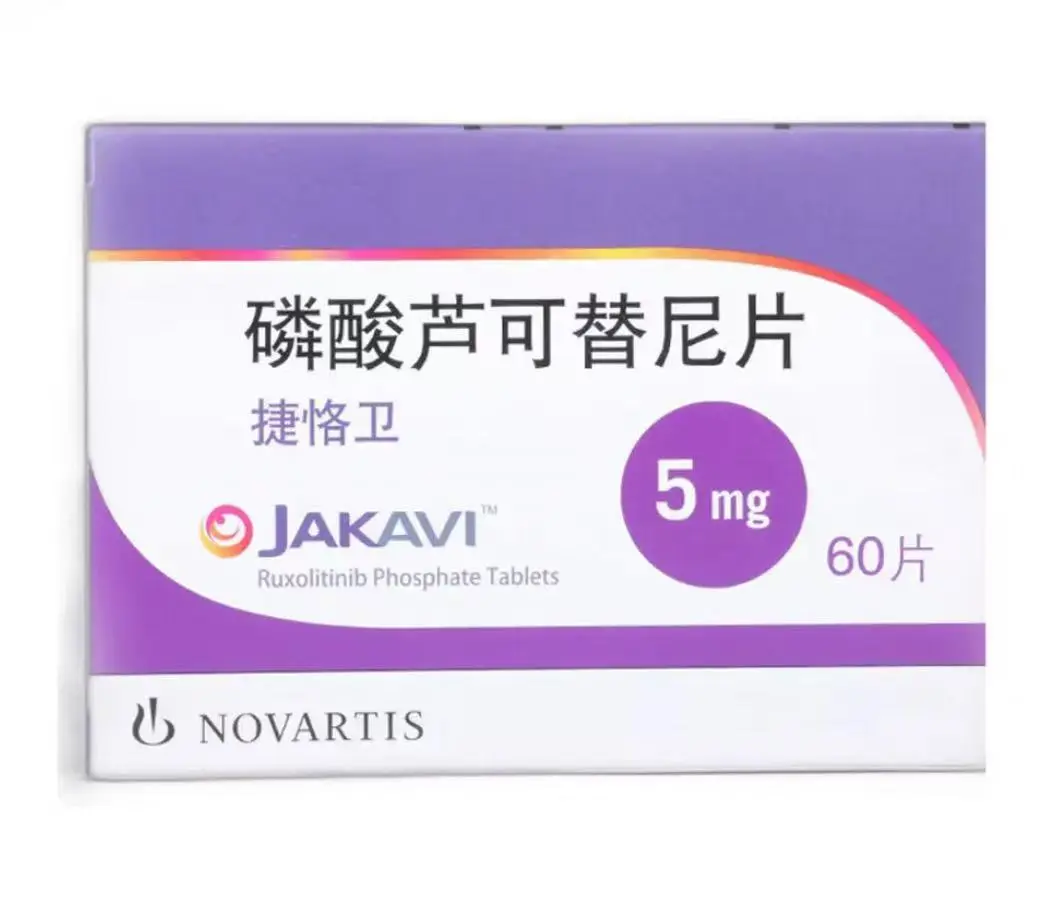
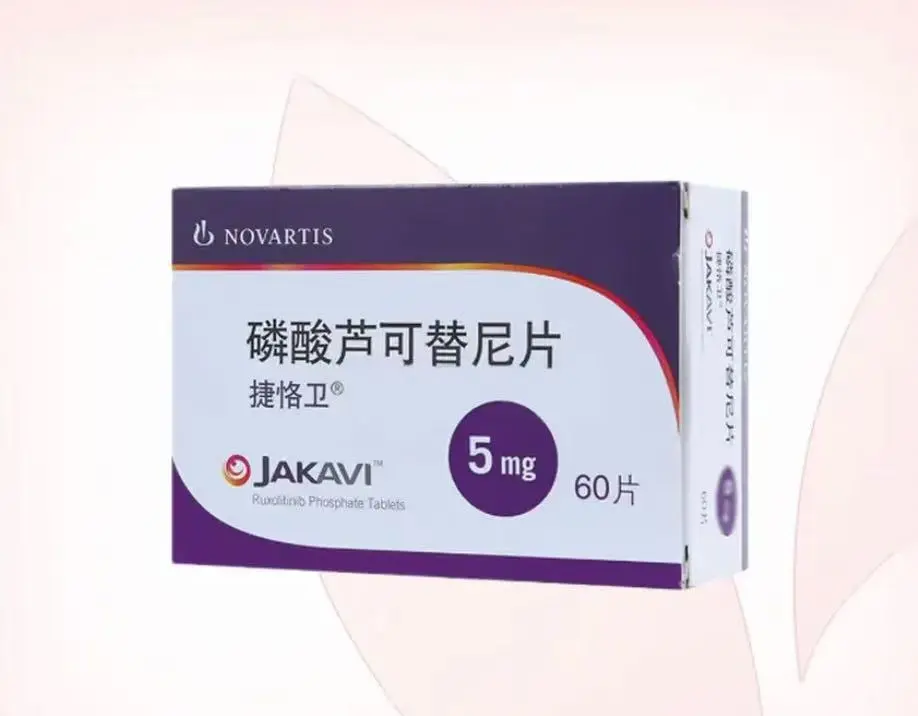
| Product Name |
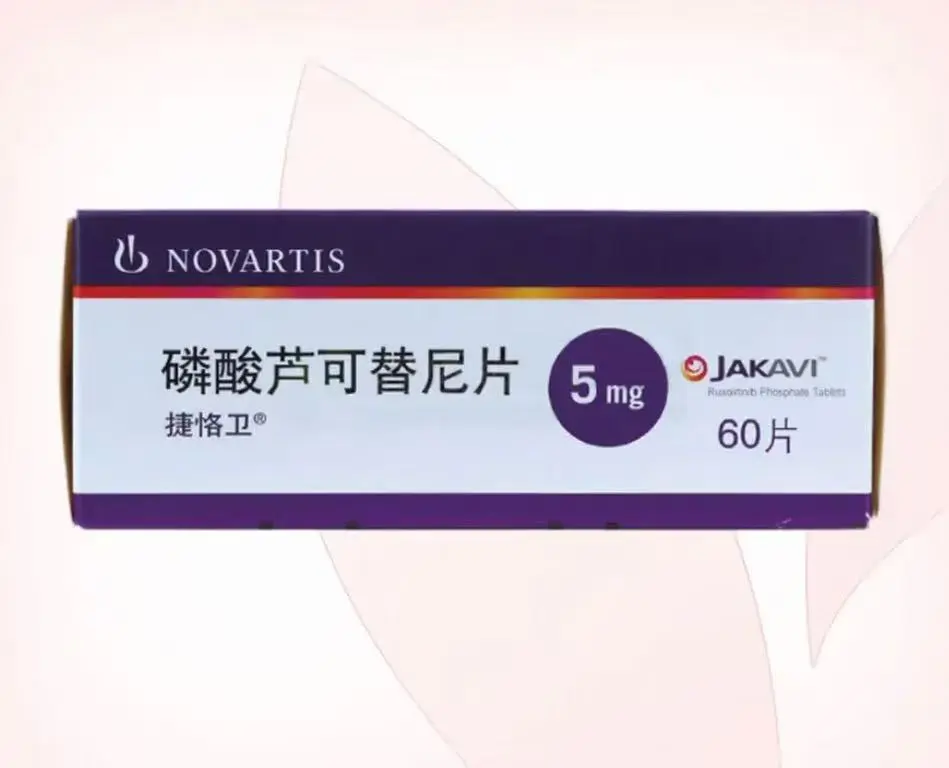
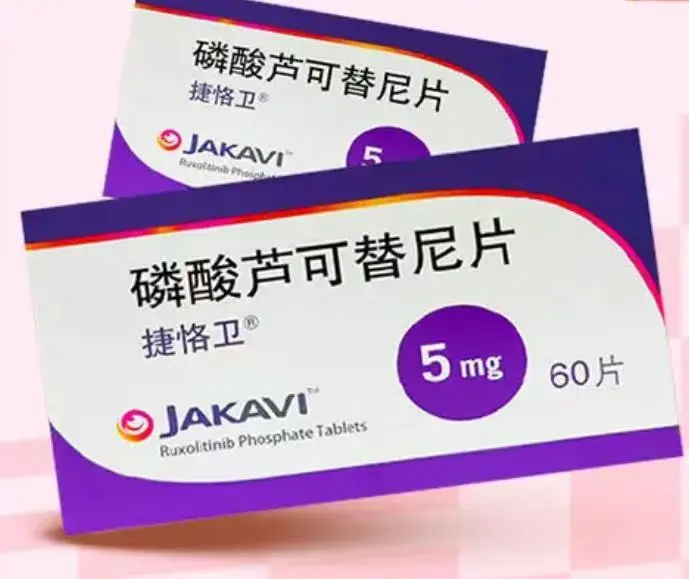
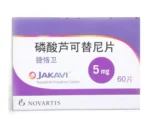
Ruxolitinib Phosphate Tablets |
| Chinese Name |
磷酸芦可替尼片 |
| Brand Name |
捷恪卫® (Jakavi) |
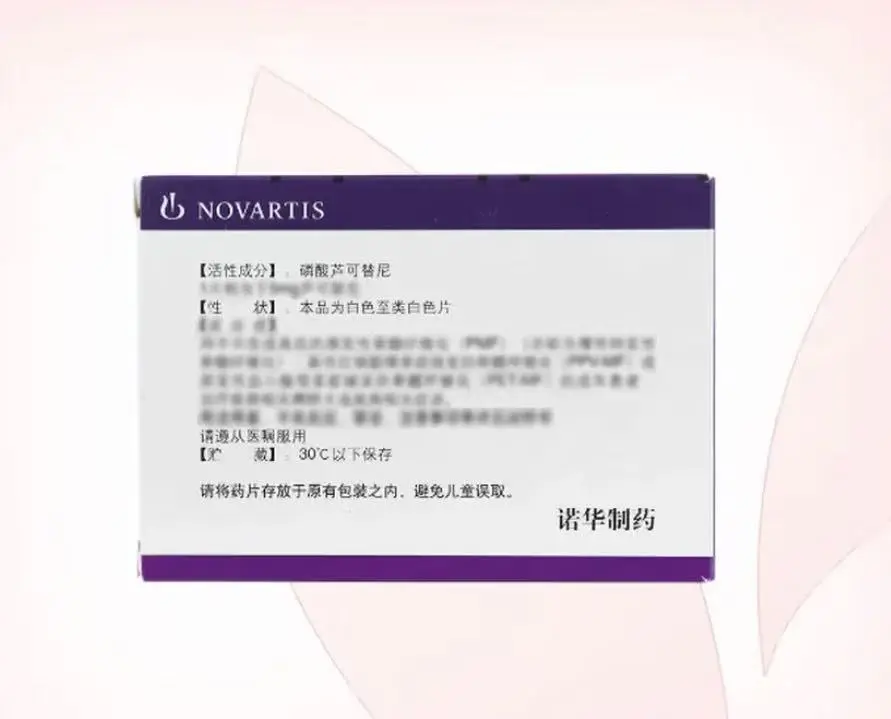
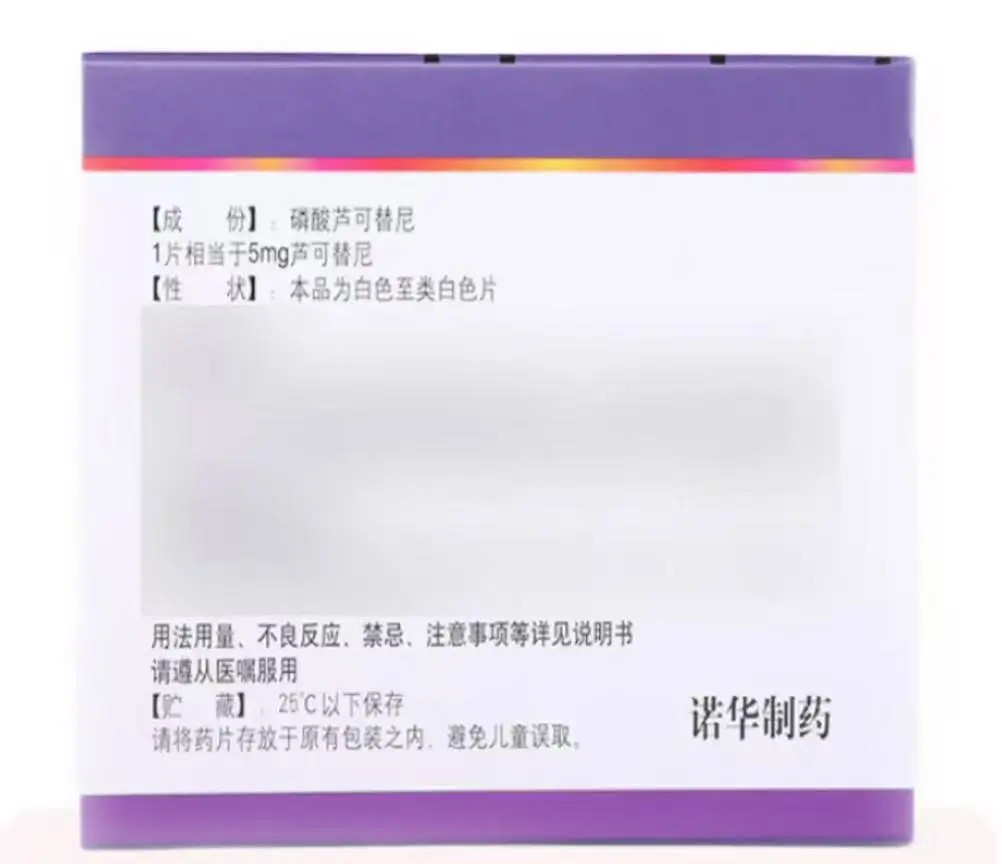
| Active Ingredient |
Ruxolitinib |
| Strength |
5mg |
| Dosage Form |
Tablets |
| Route of Administration |
Oral |
| Package Specification |
60 tablets per box |
| Manufacturer |
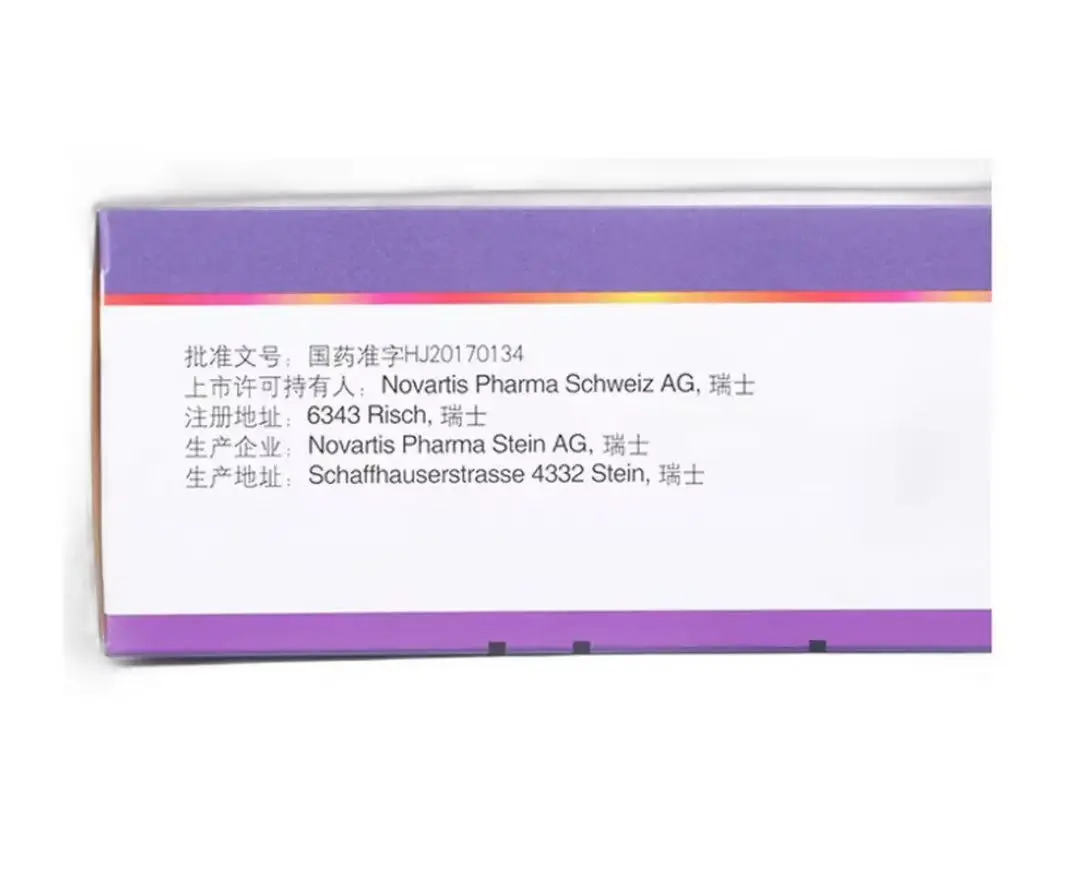
Novartis Pharma Stein AG |
| Manufacturer Country |
Switzerland |
| Marketing Authorization Holder |
Novartis Europharm Limited |
| Registration Number |
HJ20170134 |
| Country of Registration |
China |
| Product Classification |
Prescription medicine |
Product Overview
Ruxolitinib Phosphate Tablets contain ruxolitinib, an orally administered targeted therapy belonging to the Janus kinase (JAK) inhibitor class.
Ruxolitinib primarily inhibits JAK1 and JAK2, two intracellular enzymes involved in cytokine signaling and hematopoietic regulation. Abnormal JAK-STAT pathway activity contributes to the development and progression of certain myeloproliferative neoplasms, including myelofibrosis and polycythaemia vera.
By inhibiting JAK1 and JAK2 signaling, ruxolitinib can reduce disease-related symptoms and inflammatory signaling in selected patients.
The internationally recognized brand name is Jakavi in many markets and Jakafi in the United States. The Chinese product listed in the supplied catalog is 捷恪卫®.
The catalog specification covered on this page is 5mg per tablet, supplied in a box of 60 tablets.
Mechanism of Action
Ruxolitinib is a selective inhibitor of Janus kinase 1 (JAK1) and Janus kinase 2 (JAK2).
JAK1 and JAK2 are intracellular signaling enzymes that transmit signals from cytokine and growth factor receptors to downstream pathways, including the signal transducer and activator of transcription (STAT) pathway.
In myeloproliferative neoplasms, abnormal JAK-STAT signaling can contribute to excessive blood cell production, inflammatory activity and disease-related symptoms.
Ruxolitinib inhibits JAK1/JAK2 activity and reduces downstream signaling. Its pharmacological effects may include:
- Reduction of abnormal cytokine signaling.
- Improvement in certain systemic symptoms associated with myelofibrosis.
- Reduction in spleen volume in selected patients.
- Control of disease-related symptoms in polycythaemia vera.
- Suppression of excessive immune signaling in graft-versus-host disease.
Ruxolitinib does not directly eliminate the underlying genetic mutations responsible for all myeloproliferative neoplasms. Its therapeutic effects are primarily related to modulation of JAK-STAT signaling.
Therapeutic Indications
Approved indications and eligible patient populations vary by country and region. The following are established treatment settings in the European Jakavi product information and other regional prescribing documents.
Myelofibrosis (MF)
Ruxolitinib is indicated in adults with primary myelofibrosis, also known as chronic idiopathic myelofibrosis, or myelofibrosis secondary to polycythaemia vera or essential thrombocythaemia.
Treatment may be considered for patients experiencing disease-related splenomegaly or symptoms.
Common disease-related symptoms include:
- Fatigue and weakness.
- Night sweats.
- Fever.
- Unintentional weight loss.
- Bone pain.
- Abdominal discomfort associated with splenomegaly.
Polycythaemia Vera (PV)
Ruxolitinib is indicated for selected adults with polycythaemia vera who are resistant to or intolerant of hydroxyurea (hydroxycarbamide).
Polycythaemia vera is a chronic myeloproliferative neoplasm characterized by excessive red blood cell production. Some patients also experience elevated white blood cell or platelet counts and an increased risk of thrombotic complications.
Ruxolitinib can help control hematocrit levels, reduce spleen size and improve disease-related symptoms in eligible patients.
Graft-versus-Host Disease (GVHD)
In the European Union, Jakavi is indicated for adults and eligible pediatric patients with acute or chronic graft-versus-host disease who have an inadequate response to corticosteroids or other systemic therapies.
Acute GVHD commonly affects the skin, gastrointestinal tract and liver after allogeneic hematopoietic stem cell transplantation.
Chronic GVHD can involve multiple organs and may cause persistent inflammatory and immune-mediated complications.
The approved minimum age differs according to the type of GVHD and regional product information. The European product information specifies treatment of acute GVHD in patients aged 28 days and older and chronic GVHD in patients aged 6 months and older.
Regional approval note: The European indications above should not automatically be interpreted as the approved indications in China, the United States or other markets. The applicable local product insert should be consulted.
Clinical Research and Evidence
COMFORT-I Trial
COMFORT-I evaluated ruxolitinib in patients with intermediate-2 or high-risk myelofibrosis.
The randomized study compared ruxolitinib with placebo and demonstrated improvements in spleen volume and disease-related symptoms in the treatment group.
The findings provided important clinical evidence supporting JAK1/JAK2 inhibition in symptomatic myelofibrosis.
COMFORT-II Trial
COMFORT-II compared ruxolitinib with best available therapy in patients with myelofibrosis.
The study demonstrated a greater proportion of patients achieving a clinically meaningful reduction in spleen volume with ruxolitinib than with the comparison treatment.
Long-term follow-up further contributed to understanding the clinical benefits and safety profile of ruxolitinib in myelofibrosis.
RESPONSE Trial
The RESPONSE study investigated ruxolitinib in patients with polycythaemia vera who had an inadequate response to or were intolerant of hydroxyurea.
The trial evaluated hematocrit control, spleen volume reduction and symptom improvement. Its findings supported the use of ruxolitinib in selected patients with hydroxyurea-resistant or hydroxyurea-intolerant polycythaemia vera.
REACH Clinical Trials
The REACH clinical development program evaluated ruxolitinib in patients with graft-versus-host disease.
REACH1 and REACH2 investigated treatment approaches for acute GVHD, while REACH3 evaluated chronic GVHD.
These studies contributed to the clinical evidence supporting ruxolitinib in patients with GVHD who have an inadequate response to corticosteroid-based treatment.
Ruxolitinib Phosphate Tablets are supplied as oral tablets. The product specification listed in this catalog is 5mg per tablet, with 60 tablets per box.
The prescribed dosage is individualized according to the indication, platelet count, blood cell parameters, treatment response, tolerability, organ function and concomitant medicines.
Examples of starting-dose approaches in the European product information include:
- Myelofibrosis: The starting dose is determined primarily by platelet count. Different starting doses are specified for different platelet-count ranges.
- Polycythaemia vera: The recommended adult starting dose in the European product information is 10mg twice daily.
- Graft-versus-host disease: Starting doses depend on age and the specific treatment setting.
Dose adjustments may be necessary according to blood counts, adverse reactions and clinical response. Treatment should only be initiated and supervised by a physician experienced in the use of anticancer medicines.
The 5mg strength identifies the amount of active ingredient in each tablet. It does not represent a universal daily dose.
Ruxolitinib can cause clinically significant adverse reactions. Appropriate patient assessment and ongoing monitoring are necessary during treatment.
Myelosuppression
Ruxolitinib may cause or worsen anemia, thrombocytopenia and neutropenia.
Complete blood counts should be assessed before treatment and monitored regularly. Dose interruption, reduction or other clinical intervention may be required if significant abnormalities develop.
Infections
JAK inhibition may affect immune function and increase susceptibility to infections.
Important reported infections include:
- Tuberculosis.
- Herpes zoster.
- Hepatitis B reactivation.
- Serious bacterial infections.
- Opportunistic infections.
Patients should be assessed for relevant infection risks before treatment. New or worsening signs of infection require prompt medical evaluation.
Cardiovascular and Thrombotic Risks
Thrombotic events have been reported with ruxolitinib and other JAK inhibitors.
Depending on the patient’s clinical background and the applicable product information, cardiovascular risk factors and symptoms suggestive of thrombosis should be evaluated.
Malignancy and Skin Cancer
Non-melanoma skin cancers, including basal cell carcinoma, squamous cell carcinoma and Merkel cell carcinoma, have been reported in patients receiving ruxolitinib.
Patients with relevant risk factors may require periodic skin examinations.
Other Adverse Reactions
Additional reported adverse reactions include:
- Dizziness.
- Headache.
- Bruising.
- Weight gain.
- Elevated liver enzymes.
- Elevated cholesterol and lipid levels.
- Urinary tract infections.
- Gastrointestinal symptoms.
Monitoring Recommendations
Monitoring may include:
- Complete blood counts.
- Platelet and neutrophil counts.
- Liver and kidney function.
- Lipid profile.
- Signs and symptoms of infection.
- Skin examination where clinically appropriate.
- Assessment of treatment response and disease-related symptoms.
Ruxolitinib should not be stopped or adjusted without medical supervision. Abrupt interruption may be associated with recurrence or worsening of certain disease-related symptoms.
Authoritative References
- European Medicines Agency – Jakavi Product Information
- European Medicines Agency – Jakavi EPAR
- UK Electronic Medicines Compendium – Jakavi Summary of Product Characteristics
- US FDA – Jakafi Prescribing Information
- National Cancer Institute – Ruxolitinib Phosphate
- China National Medical Products Information – Ruxolitinib Phosphate Tablets
Medical Product Statement
Ruxolitinib Phosphate Tablets are a prescription medicine intended for use under the supervision of qualified healthcare professionals.
The information on this page is provided for general pharmaceutical and product identification purposes. It does not replace the official package insert, locally approved prescribing information or professional medical advice.
Indications, dosage, contraindications and regulatory status vary by country and region. Patients should consult their treating physician and follow the applicable local prescribing information.
This product must not be used for self-medication. Importation, distribution and dispensing are subject to applicable pharmaceutical regulations.










 Courier delivery







Reviews
Clear filtersThere are no reviews yet.