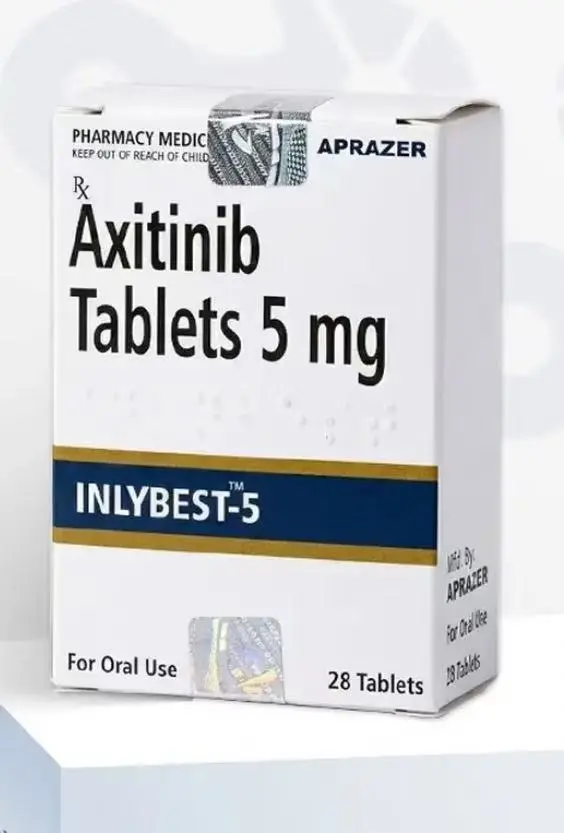
Axitinib Tablets
| Product Attribute |
Details |
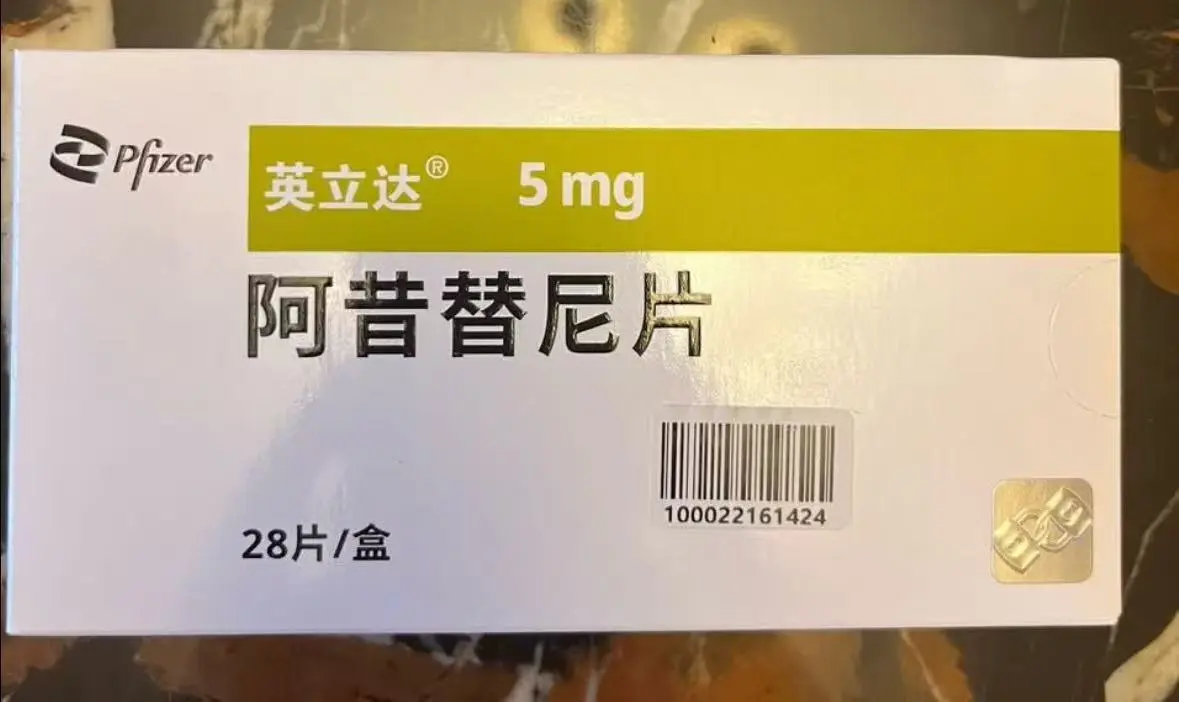
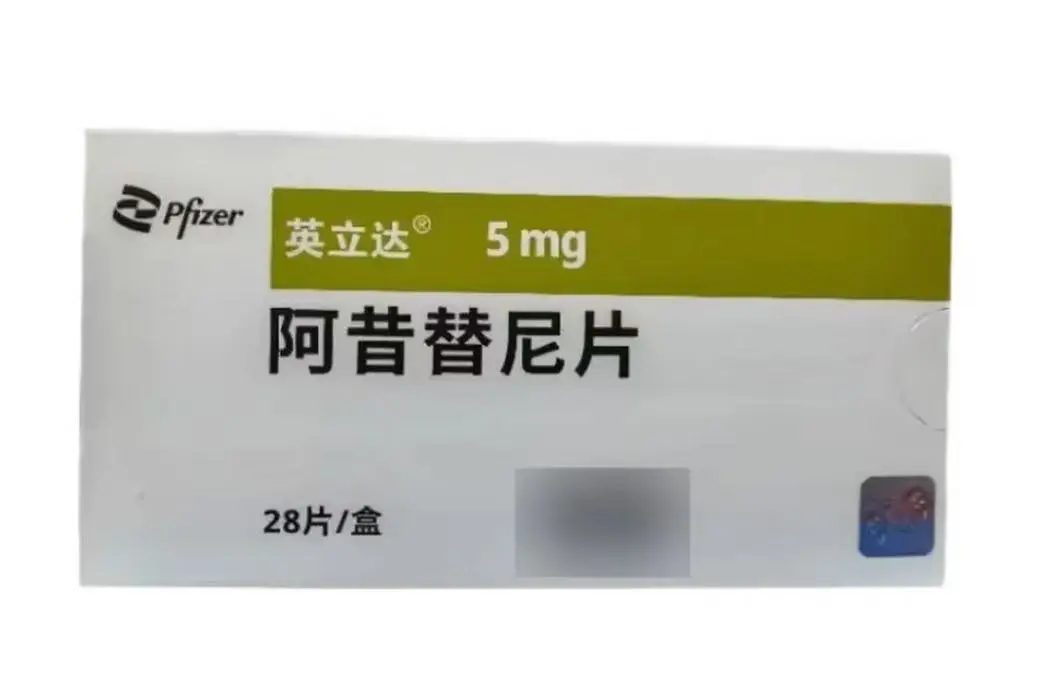
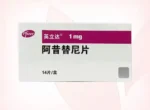
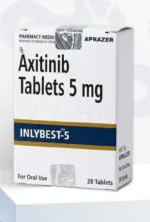
| Product Name |
Axitinib Tablets |
| Chinese Name |
阿昔替尼片 |
| Brand Name |
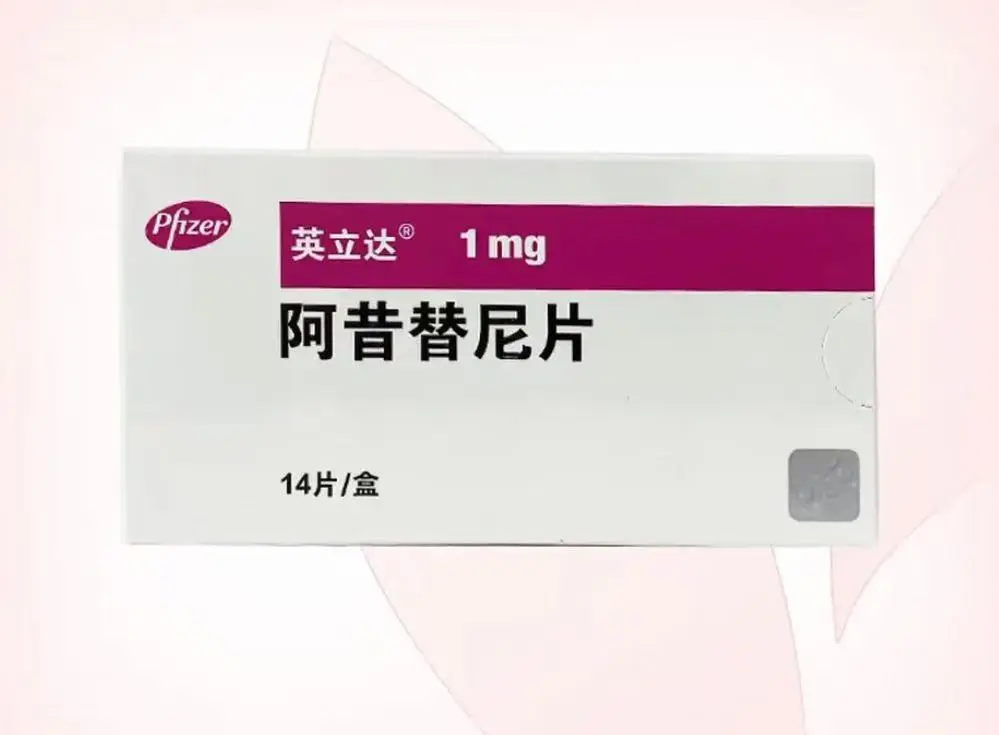
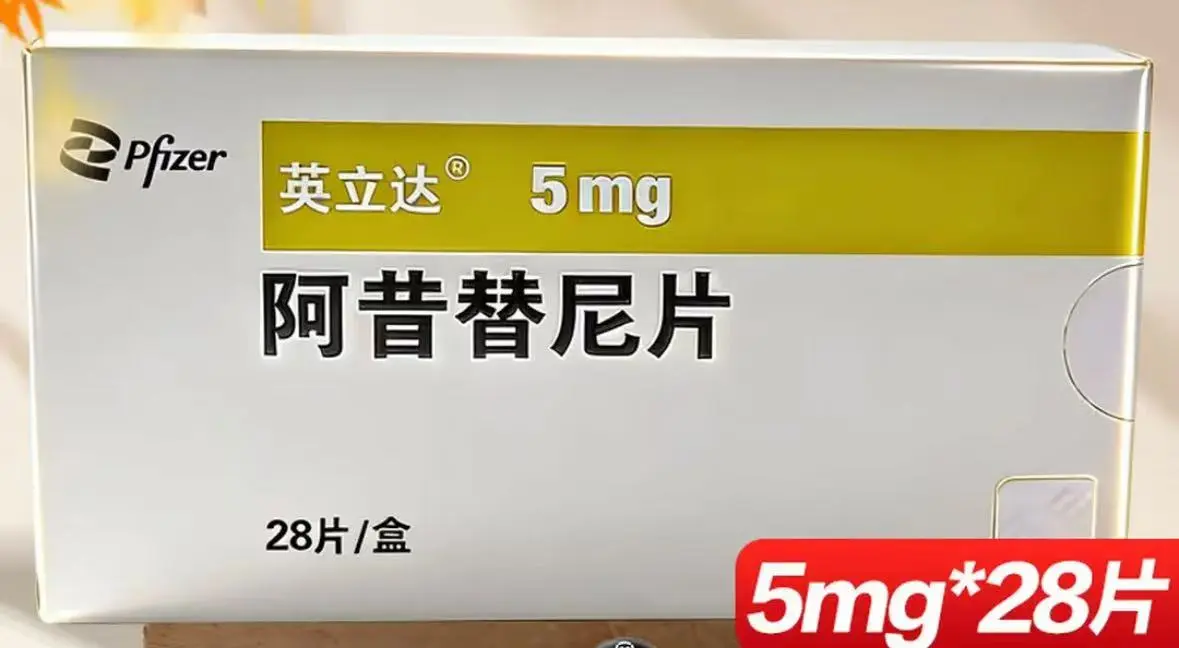
英立达® (INLYTA) |
| Active Ingredient |
Axitinib |
| Strength |
5mg |
| Dosage Form |
Film-coated tablets |
| Route of Administration |
Oral |
| Package Specification |
28 tablets per box |
| Manufacturer |
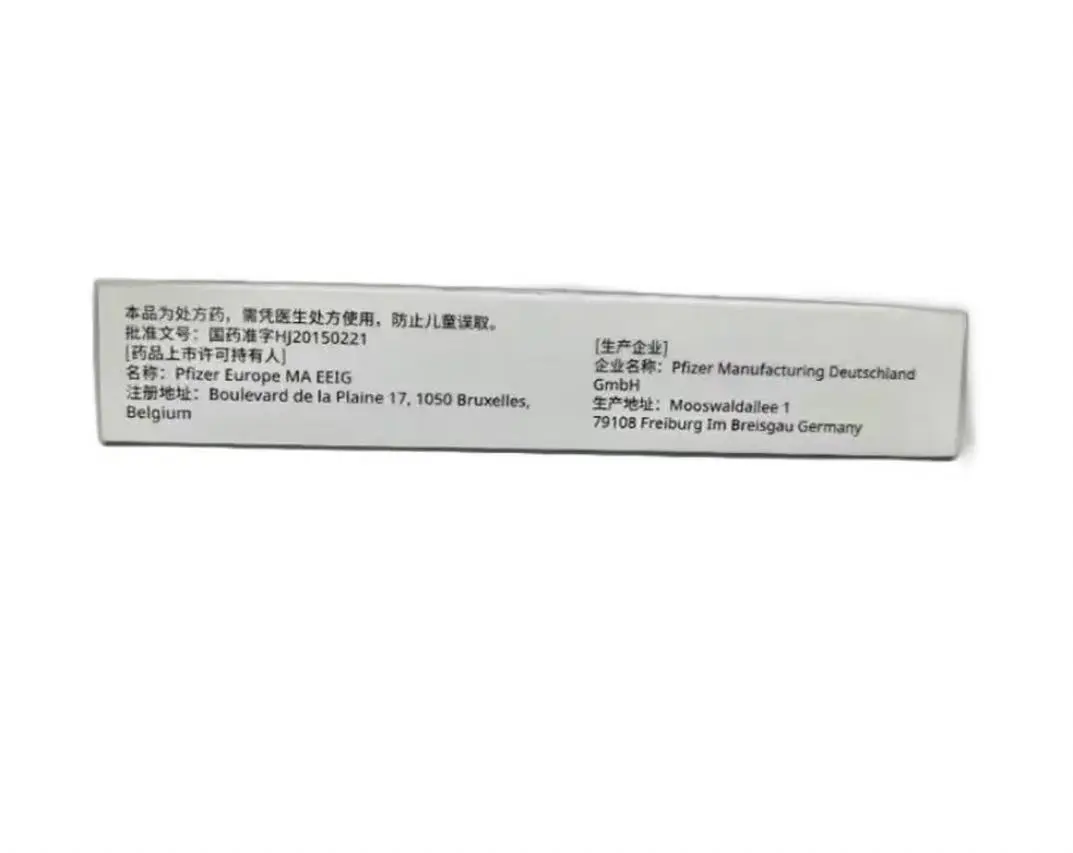
Pfizer Manufacturing Deutschland GmbH, Betriebsstätte Freiburg |
| Manufacturer Country |
Germany |
| Marketing Authorization Holder |
Pfizer Europe MA EEIG |
| China Registration Number |
H20150221 |
| Product Classification |
Prescription oncology medicine |
Product Overview
Axitinib Tablets contain axitinib, a potent and selective inhibitor of vascular endothelial growth factor receptors (VEGFRs).
Axitinib is primarily used in the treatment of advanced renal cell carcinoma, a type of kidney cancer originating in the renal tubular epithelium.
The medicine works by inhibiting VEGFR-mediated signaling, which plays an important role in tumor angiogenesis, the process through which tumors develop new blood vessels to support their growth.
Axitinib is marketed internationally under the brand name INLYTA. In China, the product is known as 英立达®.
Depending on the treatment setting and regional authorization, axitinib may be prescribed alone or in combination with immune checkpoint inhibitors such as pembrolizumab, avelumab or toripalimab.
The product specification covered on this page is 5mg per tablet, supplied in a box of 28 tablets.
Mechanism of Action
Axitinib is a small-molecule tyrosine kinase inhibitor that primarily targets vascular endothelial growth factor receptors VEGFR-1, VEGFR-2 and VEGFR-3.
VEGF signaling is essential for the formation and maintenance of blood vessels. Many solid tumors depend on angiogenesis to obtain oxygen and nutrients and to support continued growth.
Axitinib inhibits VEGFR kinase activity and reduces downstream signaling involved in endothelial cell proliferation, migration and survival.
Its principal pharmacological effects include:
- Inhibition of VEGFR-1, VEGFR-2 and VEGFR-3 signaling.
- Reduction of tumor-associated angiogenesis.
- Interference with endothelial cell proliferation.
- Suppression of signaling pathways that support tumor blood vessel formation.
By inhibiting tumor angiogenesis, axitinib can help slow the growth and progression of advanced renal cell carcinoma.
Axitinib is an anti-angiogenic targeted therapy. It does not directly function as a conventional cytotoxic chemotherapy drug.
Therapeutic Indications
Axitinib is primarily indicated for selected adults with advanced renal cell carcinoma (RCC). Approved treatment settings vary by country and region.
Advanced Renal Cell Carcinoma After Previous Treatment
In the European Union, axitinib is indicated for adults with advanced RCC after failure of prior treatment with sunitinib or a cytokine.
In the United States, axitinib monotherapy is indicated for advanced RCC after failure of one prior systemic therapy.
The treatment setting should be assessed according to the patient’s previous therapy, disease status and applicable regional prescribing information.
First-Line Advanced Renal Cell Carcinoma in Combination Therapy
In the United States, axitinib is approved in combination with:
- Avelumab for first-line treatment of advanced RCC.
- Pembrolizumab for first-line treatment of advanced RCC.
The Chinese prescribing information also includes axitinib in combination with toripalimab for first-line treatment of intermediate-high-risk unresectable or metastatic RCC.
These combination regimens are based on separate clinical evidence and regional regulatory approvals. They should not be interpreted as interchangeable treatment protocols.
Clinical Research and Evidence
AXIS Trial
The AXIS study was a randomized Phase III clinical trial evaluating axitinib compared with sorafenib in patients with advanced RCC who had received one prior systemic therapy.
The study demonstrated a significant improvement in progression-free survival with axitinib compared with sorafenib.
The results provided important clinical evidence supporting axitinib as a treatment option for advanced RCC following previous systemic therapy.
KEYNOTE-426 Trial
KEYNOTE-426 evaluated axitinib in combination with pembrolizumab compared with sunitinib in previously untreated advanced RCC.
The study demonstrated improvements in important clinical outcomes, including overall survival, progression-free survival and objective response rate.
These findings supported the use of axitinib plus pembrolizumab as a first-line combination treatment in eligible patients.
JAVELIN Renal 101 Trial
JAVELIN Renal 101 investigated axitinib in combination with avelumab compared with sunitinib in previously untreated advanced RCC.
The combination demonstrated improved progression-free survival in the overall study population, with additional evidence of benefit in patients with PD-L1-positive tumors.
The trial contributed to the regulatory approval of axitinib plus avelumab in selected first-line treatment settings.
Chinese Axitinib and Toripalimab Clinical Development
The Chinese prescribing information includes axitinib in combination with toripalimab for first-line treatment of intermediate-high-risk unresectable or metastatic RCC.
This combination represents a regional treatment development involving VEGFR inhibition and immune checkpoint blockade.
The relevant prescribing information should be consulted for the approved patient population, dosage and treatment precautions.
Axitinib Tablets are supplied as oral film-coated tablets. The product specification listed in this catalog is 5mg per tablet, with 28 tablets per box.
According to the Chinese prescribing information, the recommended starting oral dose for axitinib is 5mg twice daily, with doses administered approximately 12 hours apart.
Axitinib may be taken with or without food and should be swallowed whole with a glass of water.
Dosage may be adjusted according to individual safety, tolerability and treatment response. In selected patients, dose escalation or reduction may be considered under specialist supervision.
When axitinib is administered with a strong CYP3A4/5 inhibitor, dose modification may be required. Strong CYP3A4/5 inducers should generally be avoided because they may reduce axitinib exposure.
Patients with moderate hepatic impairment may require a reduced starting dose. Axitinib should not be used in patients with severe hepatic impairment according to the Chinese prescribing information.
The 5mg strength identifies the amount of axitinib in each tablet and does not independently establish the appropriate daily dosage for every patient.
Axitinib can cause clinically significant adverse reactions. Treatment should be initiated and monitored by physicians experienced in anticancer therapy.
Hypertension and Hypertensive Crisis
Hypertension is a common adverse reaction associated with axitinib.
Blood pressure should be controlled before treatment and monitored regularly during therapy.
Severe hypertension or hypertensive crisis may require treatment interruption, dose modification or permanent discontinuation.
Arterial and Venous Thromboembolic Events
Axitinib has been associated with arterial and venous thromboembolic events.
Reported complications may include myocardial infarction, transient ischemic attack, cerebrovascular events and venous thrombosis.
Patients should be assessed for cardiovascular and thrombotic risk factors before and during treatment.
Hemorrhage
Serious bleeding events have been reported with axitinib.
Patients with a history of bleeding or other relevant risk factors require careful clinical assessment.
Cardiac Failure
Cardiac failure has been reported in patients receiving axitinib. Symptoms such as shortness of breath, edema and unexplained fatigue require appropriate clinical evaluation.
Gastrointestinal Perforation and Fistula Formation
Gastrointestinal perforation and fistula formation, including serious and potentially fatal cases, have been reported.
Patients with relevant gastrointestinal conditions or symptoms require careful assessment.
Thyroid Dysfunction
Hypothyroidism may occur during treatment and may require thyroid hormone replacement.
Thyroid function should be assessed before treatment and monitored periodically.
Other Important Risks
Additional warnings and precautions include:
- Reversible posterior leukoencephalopathy syndrome (RPLS).
- Proteinuria.
- Hepatotoxicity and elevated liver enzymes.
- Impaired wound healing.
- Embryo-fetal toxicity.
Axitinib may need to be withheld before and after major surgery because of its potential effect on wound healing. The timing of treatment interruption and resumption should follow the applicable prescribing information.
Common Adverse Reactions
Frequently reported adverse reactions include:
- Diarrhea.
- Hypertension.
- Fatigue and weakness.
- Decreased appetite.
- Nausea and vomiting.
- Dysphonia.
- Palmar-plantar erythrodysesthesia (hand-foot syndrome).
- Weight loss.
- Constipation.
- Hypothyroidism.
The adverse reaction profile may differ when axitinib is administered alone or in combination with immune checkpoint inhibitors.
Monitoring Recommendations
Clinical monitoring may include:
- Blood pressure.
- Liver function tests.
- Thyroid function.
- Urine protein.
- Cardiovascular status.
- Signs of bleeding or thrombosis.
- Gastrointestinal symptoms.
- Treatment response and tolerability.
Authoritative References
- Pfizer China – Axitinib Tablets (INLYTA) Official Prescribing Information
- US FDA – INLYTA (axitinib) Prescribing Information
- DailyMed – INLYTA (axitinib) Drug Label, Updated March 2026
- European Medicines Agency – Inlyta EPAR
- European Medicines Agency – Inlyta Product Information
- UK Electronic Medicines Compendium – Axitinib 5mg SmPC
Medical Product Statement
Axitinib Tablets are a prescription oncology medicine intended for use under the supervision of qualified healthcare professionals.
The information on this page is provided for general pharmaceutical and product identification purposes. It does not replace the official package insert, locally approved prescribing information or professional medical advice.
Indications, dosage, combination regimens, contraindications and regulatory status vary by country and region. Patients should consult their treating oncologist and follow the applicable local prescribing information.
This product must not be used for self-medication. Importation, distribution and dispensing are subject to applicable pharmaceutical regulations.






 Courier delivery








Reviews
Clear filtersThere are no reviews yet.