Lorlatinib Tablets
Lorlatinib, marketed under the brand name Lorbrena (博瑞纳), is an orally administered, third-generation anaplastic lymphoma kinase (ALK) tyrosine kinase inhibitor (TKI).
It is designed to inhibit ALK activity and has demonstrated activity against certain ALK mutations associated with resistance to earlier-generation ALK inhibitors.
Lorlatinib is indicated for the treatment of adult patients with metastatic ALK-positive non-small cell lung cancer (NSCLC), as determined by an approved molecular diagnostic test.
Its ability to penetrate the blood-brain barrier is an important pharmacological characteristic, particularly in the context of ALK-positive NSCLC involving the central nervous system.
Mechanism of Action
ALK Tyrosine Kinase Inhibition
Anaplastic lymphoma kinase (ALK) is a receptor tyrosine kinase involved in cellular signaling.
In certain NSCLC tumors, ALK gene rearrangements produce abnormal fusion proteins that activate downstream signaling pathways and contribute to uncontrolled cellular proliferation.
Lorlatinib inhibits ALK kinase activity, interfering with abnormal signaling associated with tumor growth and survival.
Activity Against ALK Resistance Mutations
Lorlatinib was developed to retain activity against several ALK mutations that can emerge following treatment with earlier-generation ALK inhibitors.
Its activity includes selected mutations associated with resistance to crizotinib, alectinib, and ceritinib.
Central Nervous System Penetration
Lorlatinib has demonstrated the ability to cross the blood-brain barrier.
This pharmacological property is relevant to patients with ALK-positive NSCLC who have brain metastases or other central nervous system involvement.
Clinical Indications
According to the US prescribing information, Lorlatinib is indicated for adult patients with metastatic NSCLC whose tumors are ALK-positive, as identified by an FDA-approved diagnostic test.
Molecular Diagnostic Testing
ALK status is an important factor in selecting patients for Lorlatinib treatment.
Molecular testing helps identify tumors with ALK rearrangements or other relevant ALK alterations.
Treatment selection should follow applicable clinical guidelines and approved prescribing information.
Pharmaceutical Specifications
| Parameter |
Description |
| Generic Name |
Lorlatinib |
| Brand Name |
Lorbrena |
| Chinese Brand Name |
博瑞纳 |
| Active Ingredient |
Lorlatinib |
| Development Code |
PF-06463922 |
| Dosage Form |
Film-Coated Tablets |
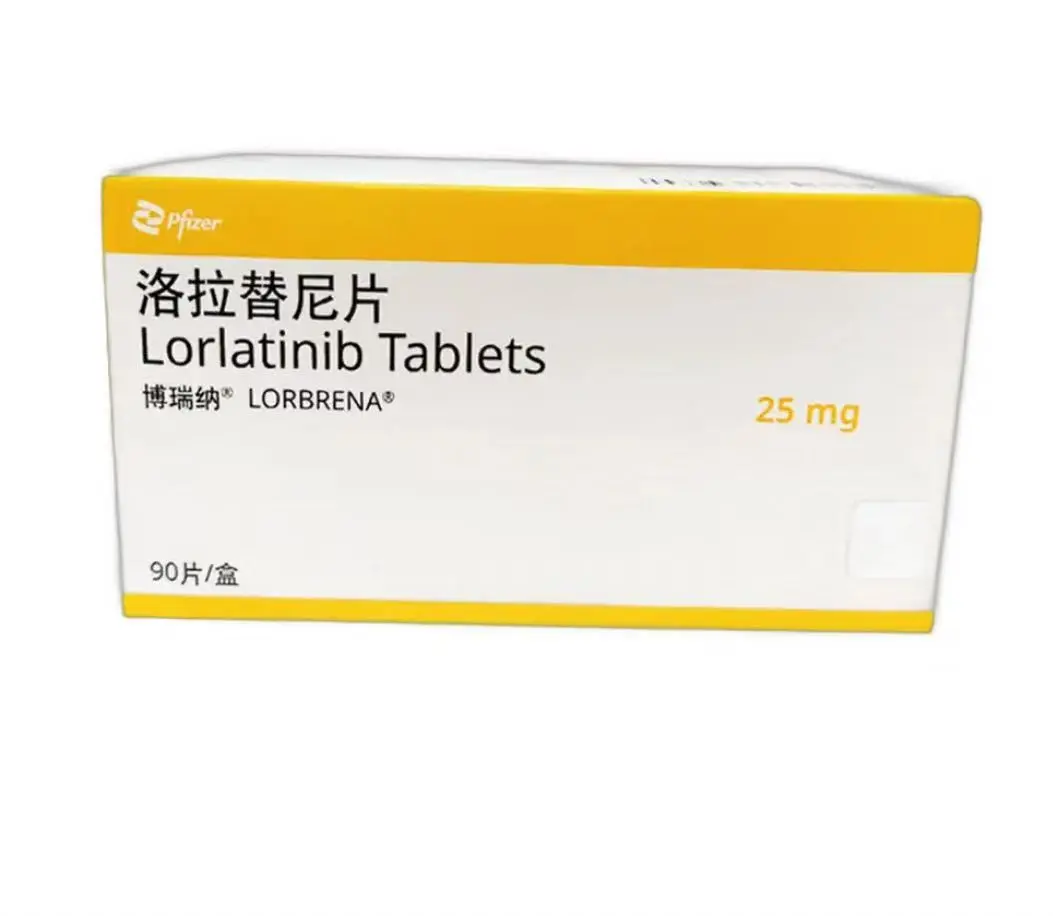
| Strength 1 |
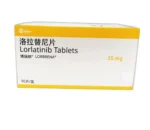
25 mg |
| Package 1 |
90 Tablets / Box |
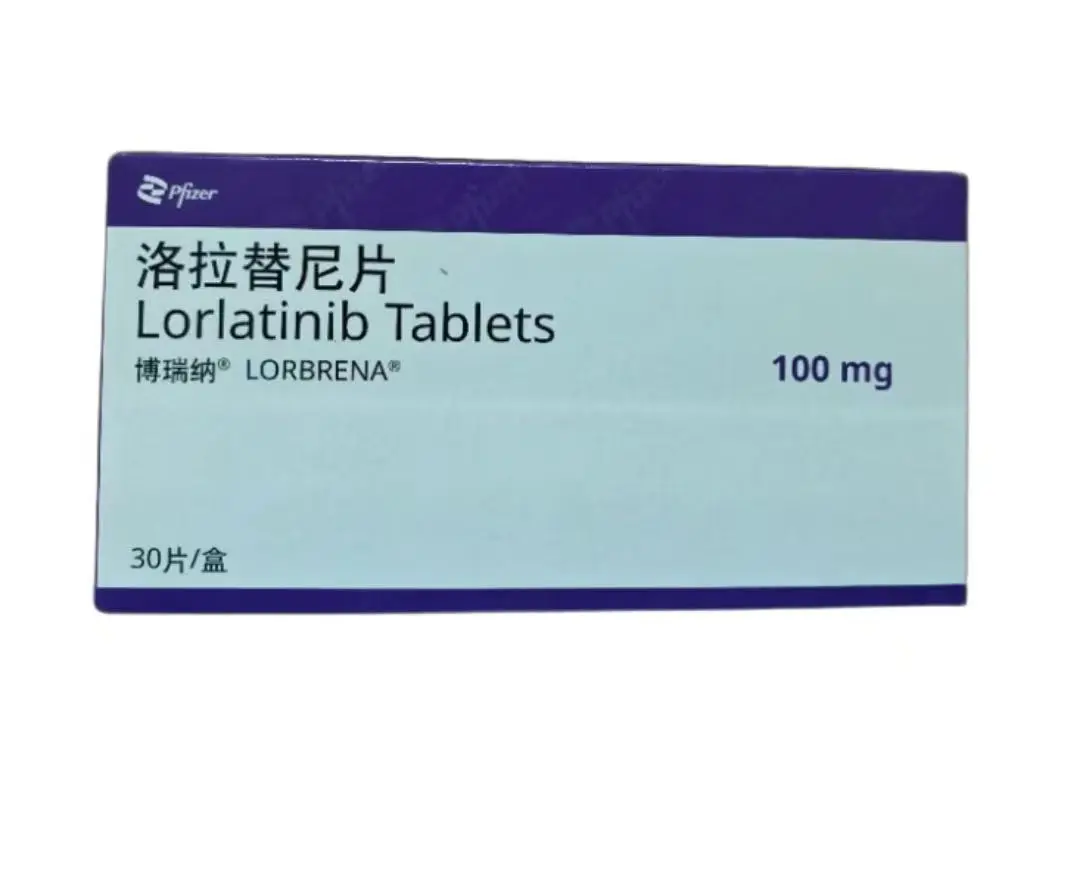
| Strength 2 |
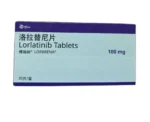
100 mg |
| Package 2 |
30 Tablets / Box |
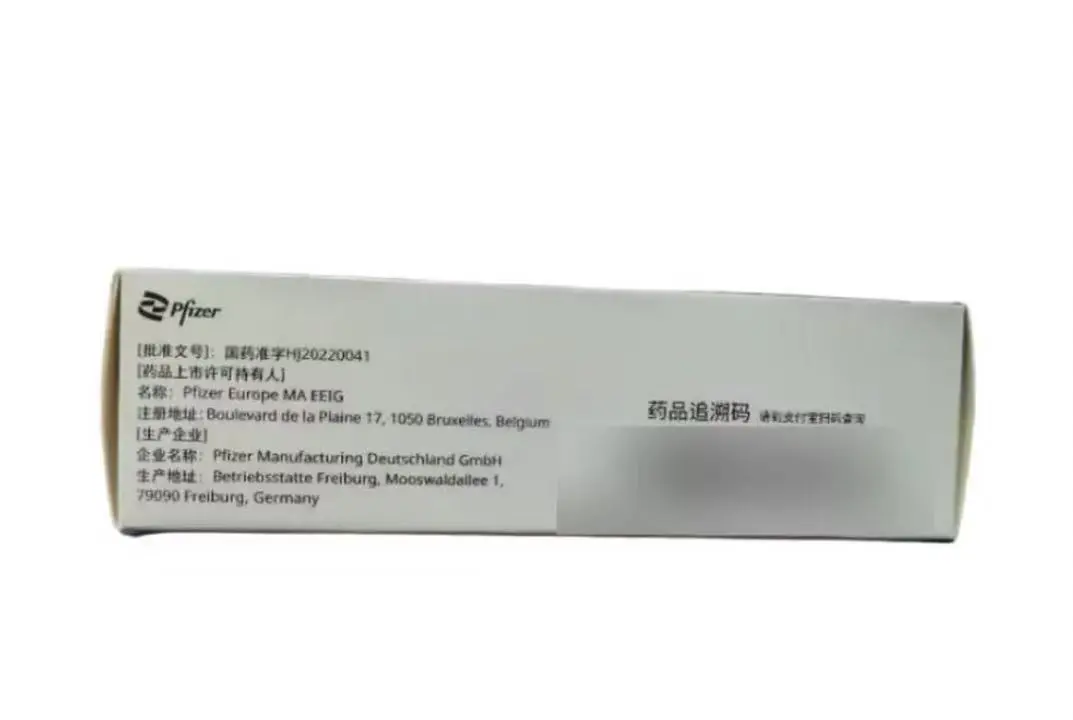
| Manufacturer |
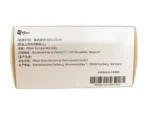
Pfizer Manufacturing Deutschland GmbH |
| Marketing Authorization Holder |
Pfizer Europe MA EEIG |
| Approval Reference 1 |
HJ20220040 |
| Approval Reference 2 |
HJ20220041 |
| Pharmacological Class |
Third-Generation ALK Inhibitor |
| ATC Code |
L01ED05 |
| Route of Administration |
Oral |
The two listed package presentations are based on the supplied purchasing information and should be verified against the actual product packaging.
Pharmacological Characteristics
Third-Generation ALK Inhibitor
Lorlatinib belongs to the third-generation ALK inhibitor class.
It was developed to address certain resistance mechanisms associated with earlier ALK-targeted therapies.
Blood-Brain Barrier Penetration
Compared with some earlier ALK inhibitors, Lorlatinib has pharmacological properties that support central nervous system exposure.
This is particularly relevant in ALK-positive NSCLC, where brain metastases are an important clinical consideration.
Targeted Molecular Activity
Lorlatinib primarily targets ALK and ROS1 kinase activity. Its clinical application in the approved indication focuses on ALK-positive metastatic NSCLC.
Clinical Research
CROWN Clinical Trial
The CROWN study is a randomized phase III clinical trial evaluating Lorlatinib against crizotinib in previously untreated advanced ALK-positive NSCLC.
The study demonstrated substantial improvements in progression-free survival with Lorlatinib.
Long-term follow-up has also shown durable disease control and important intracranial activity.
The CROWN trial provides important clinical evidence supporting Lorlatinib as a first-line targeted treatment option for eligible patients with ALK-positive advanced NSCLC.
Lorlatinib is a prescription oncology medicine requiring professional medical supervision.
Important warnings and precautions include:
Central Nervous System Effects
Lorlatinib may cause cognitive changes, mood alterations, speech disturbances, sleep changes, psychotic effects, and seizures.
Patients should be monitored for new or worsening neurological or psychiatric symptoms.
Hyperlipidemia
Increased cholesterol and triglyceride levels are important adverse reactions associated with Lorlatinib.
Lipid levels should be assessed before and during treatment, with appropriate medical management when necessary.
Cardiac Effects
Lorlatinib may cause atrioventricular block and other cardiac conduction abnormalities.
Appropriate clinical assessment and monitoring are important in patients at risk.
Interstitial Lung Disease
Interstitial lung disease and pneumonitis have been reported. New or worsening respiratory symptoms require prompt medical evaluation.
Hypertension and Hyperglycemia
Elevated blood pressure and blood glucose levels may occur during treatment and require appropriate monitoring.
Other Adverse Reactions
Commonly reported adverse reactions include:
- Edema
- Peripheral neuropathy
- Weight gain
- Fatigue
- Arthralgia
- Diarrhea
- Dyspnea
- Cough
The complete prescribing information should be consulted for contraindications, drug interactions, dose modifications, and monitoring requirements.
Storage and Handling
Store Lorlatinib Tablets according to the approved product labeling and manufacturer instructions.
Keep the medicine in its original packaging and follow the product-specific storage requirements.
Lorlatinib was initially approved by the US Food and Drug Administration (FDA) in 2018.
It has received regulatory authorization in multiple markets for the treatment of selected patients with ALK-positive metastatic NSCLC.
The product records supplied for this listing contain Chinese approval references HJ20220040 and HJ20220041.
Regulatory approval, authorized indications, and distribution requirements vary between jurisdictions and should be verified independently.
Scientific References
- US Food and Drug Administration (FDA). LORBRENA (lorlatinib) Prescribing Information.
https://labeling.pfizer.com/ShowLabeling.aspx?format=PDF&id=11140
- US National Library of Medicine. DailyMed – LORBRENA (lorlatinib) Official Drug Label.
https://dailymed.nlm.nih.gov/dailymed/drugInfo.cfm?setid=2b34d62d-e02a-4af3-bc0d-1571dd4ee76d
- Solomon BJ, Besse B, Bauer TM, et al. Lorlatinib in patients with ALK-positive non-small-cell lung cancer: results from a global phase 2 study. The Lancet Oncology.
https://pubmed.ncbi.nlm.nih.gov/?term=Lorlatinib+ALK+positive+non-small-cell+lung+cancer+clinical+trial
- Shaw AT, Bauer TM, de Marinis F, et al. First-Line Lorlatinib or Crizotinib in Advanced ALK-Positive Lung Cancer. New England Journal of Medicine. 2020;383:2018–2029.
https://doi.org/10.1056/NEJMoa2027187
Research Use Statement
This page provides pharmaceutical and scientific information for educational purposes. Lorlatinib Tablets are a prescription oncology medicine, not a research-use-only product.
This information does not replace professional medical advice, diagnosis, or treatment. Clinical use must be determined by qualified healthcare professionals in accordance with approved prescribing information and applicable local regulations.






 Courier delivery









Reviews
Clear filtersThere are no reviews yet.