




-
 Courier delivery

-
DHL Courier delivery

-
Guaranteed reshipment or compensation in the event of customs seizure, loss, or damage.

-
Free compensation within 30 days for product quality issues.


General

| Weight | 2 kg |
|---|---|
| Dimensions | 53 × 46 × 53 cm |
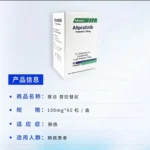
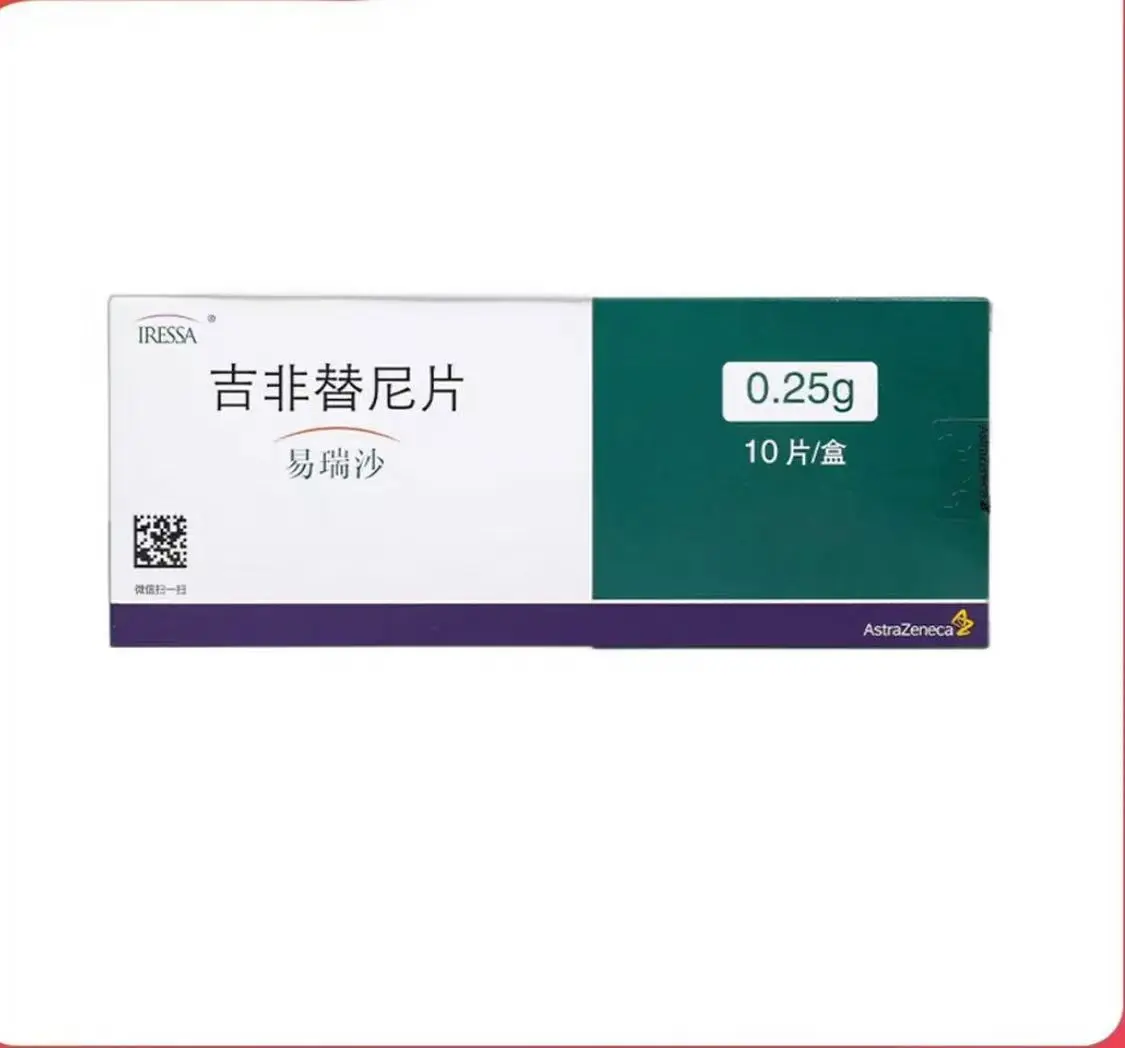
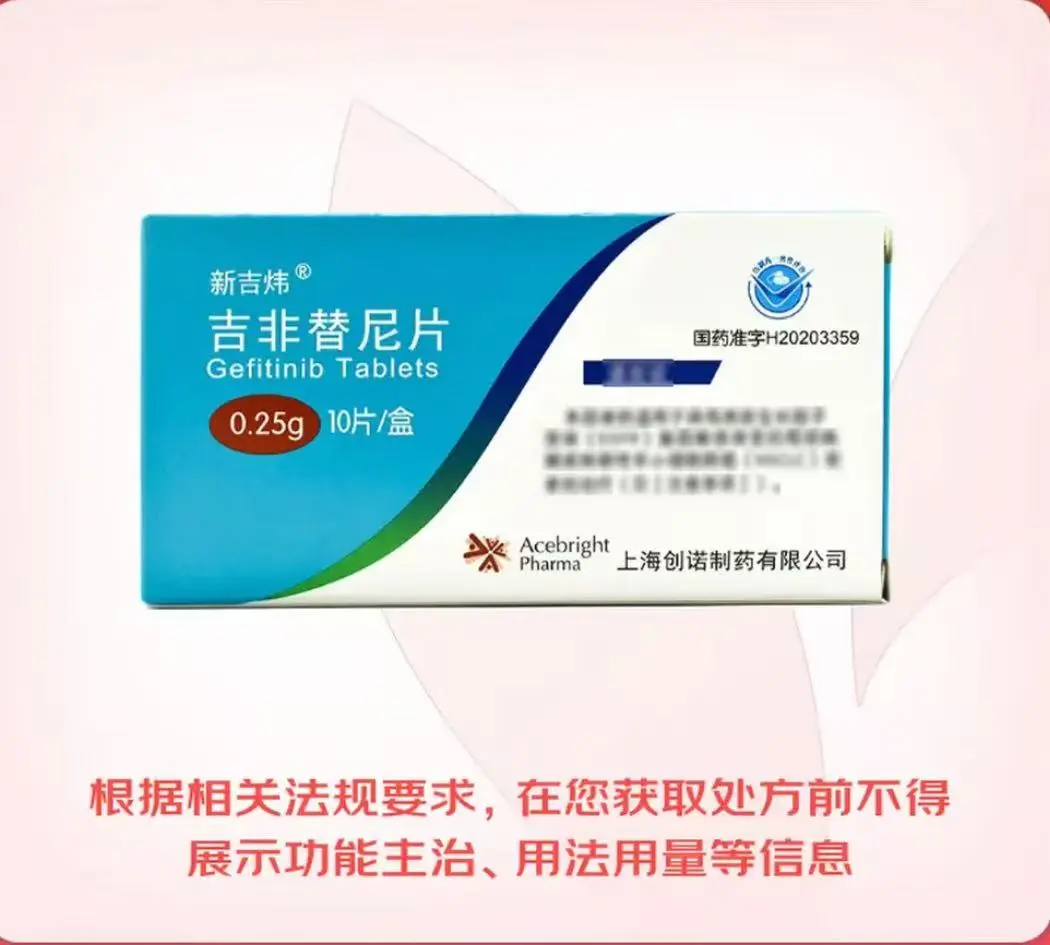
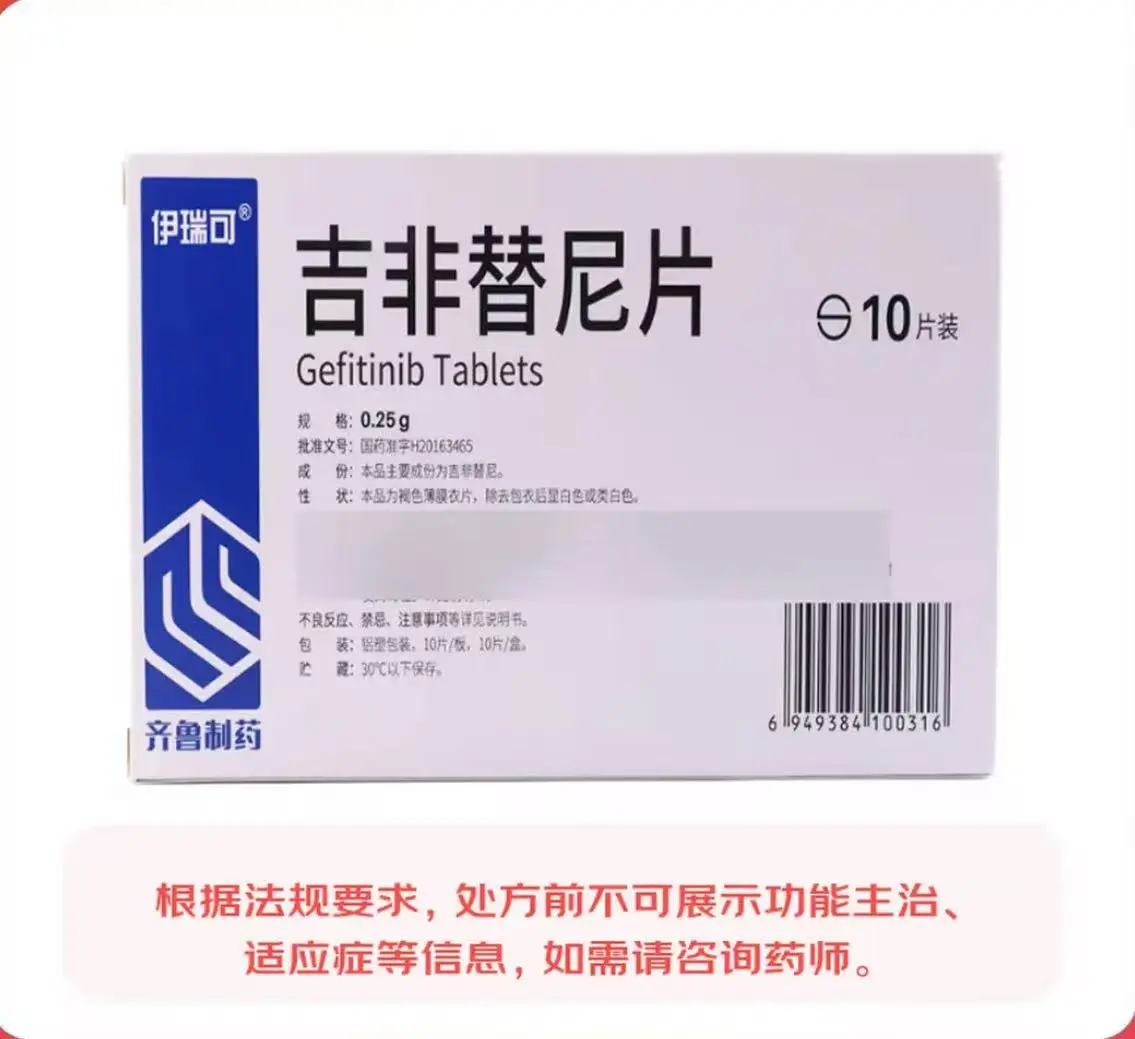
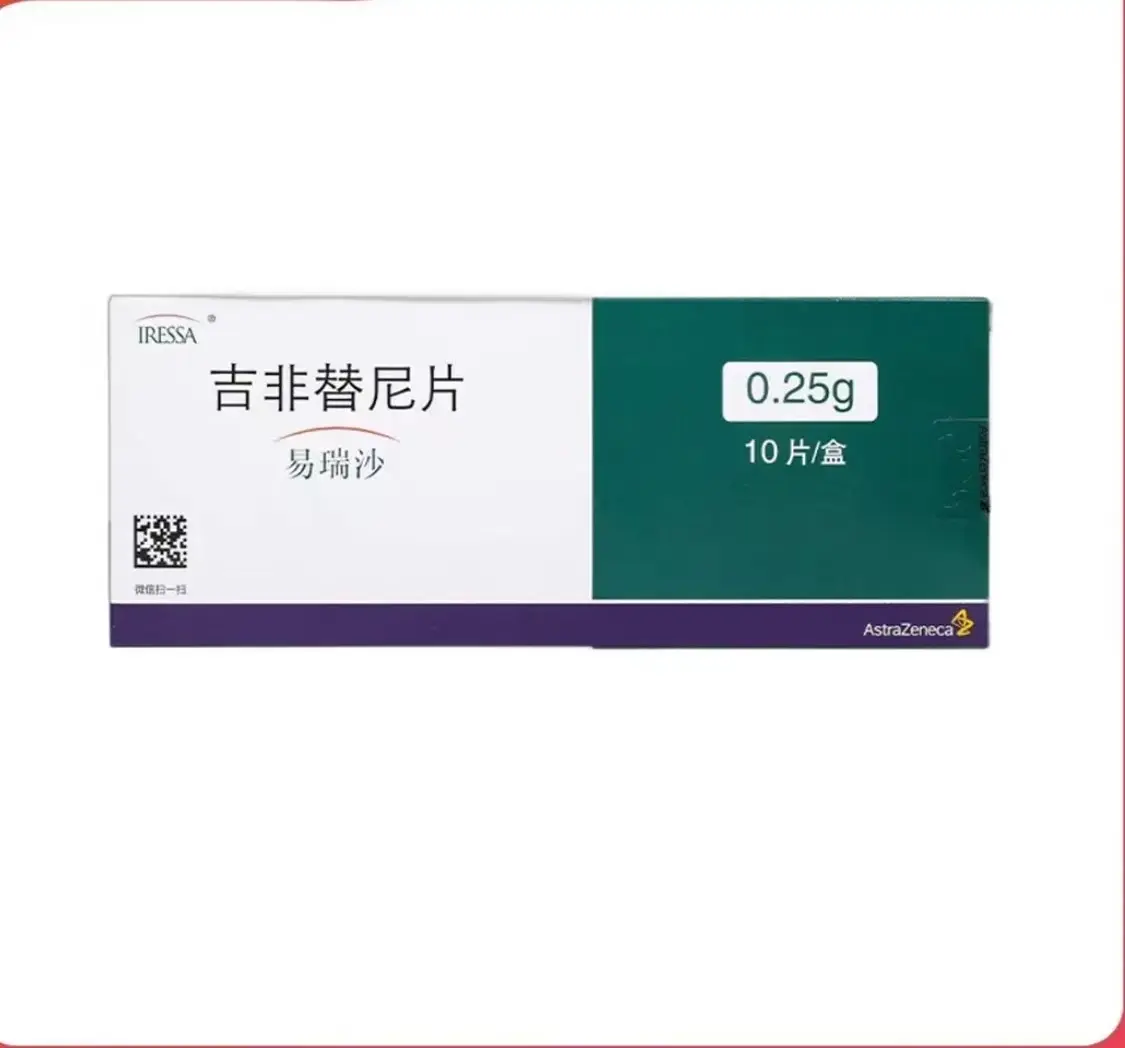
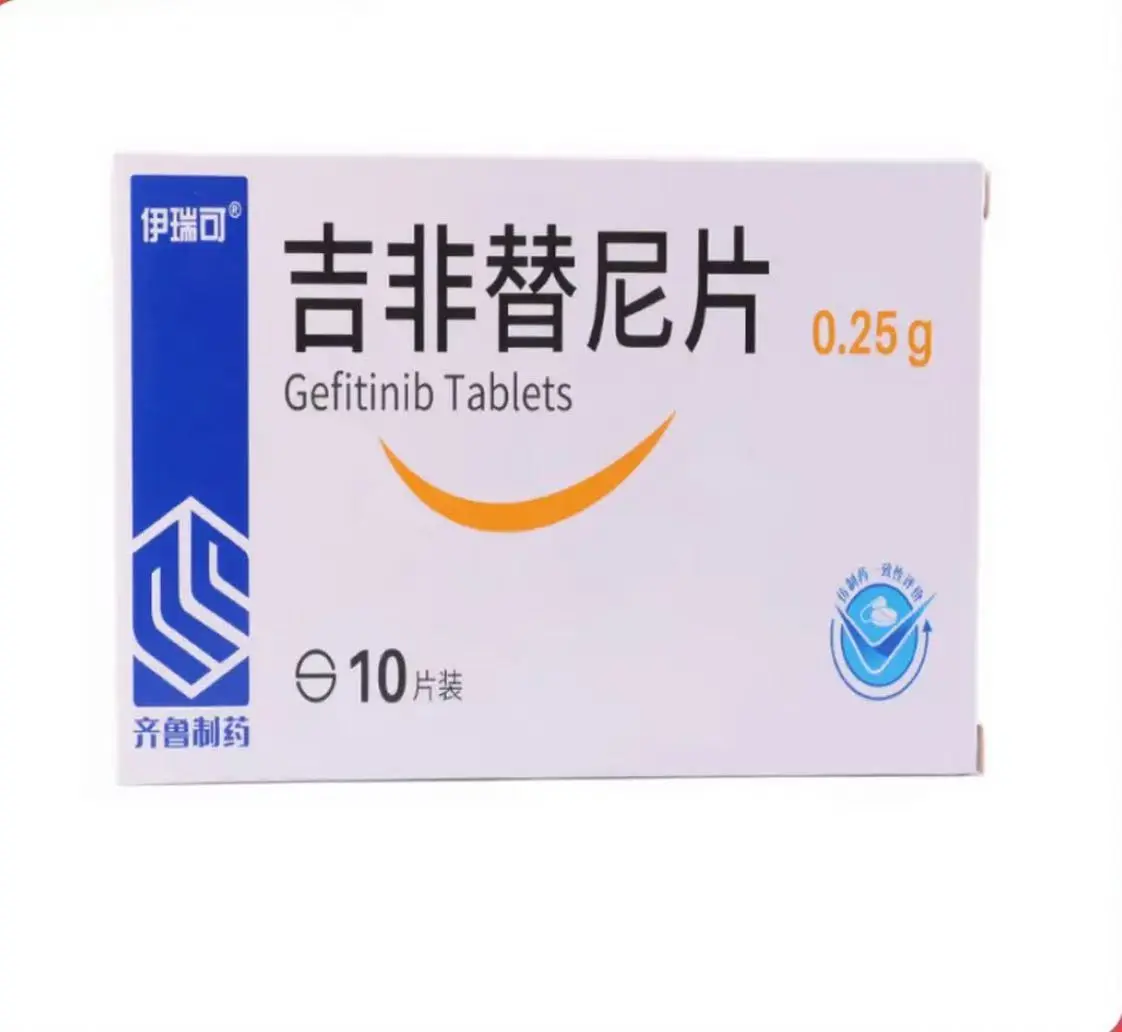
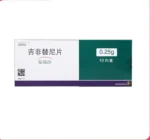
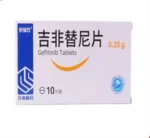
Gefitinib Tablets
Gefitinib, marketed under the brand name Iressa, is an oral epidermal growth factor receptor (EGFR) tyrosine kinase inhibitor (TKI). It is used in the treatment of selected patients with advanced or metastatic non-small cell lung cancer (NSCLC) whose tumors carry specific activating EGFR mutations.
Gefitinib selectively inhibits EGFR tyrosine kinase activity, interfering with intracellular signaling pathways involved in cancer cell proliferation and survival.
The commonly referenced Iressa formulation contains 250 mg of gefitinib per tablet.
Mechanism of Action
Gefitinib is a reversible inhibitor of the epidermal growth factor receptor (EGFR) tyrosine kinase.
EGFR is a cell-surface receptor involved in regulating cellular growth, proliferation, differentiation, and survival. Certain activating EGFR mutations can result in persistent signaling and contribute to tumor development.
Gefitinib inhibits EGFR phosphorylation and downstream signaling, including pathways associated with:
- RAS–RAF–MEK–ERK signaling
- PI3K–AKT signaling
- Cellular proliferation and survival
Its activity is particularly relevant to NSCLC tumors carrying sensitizing EGFR mutations, including exon 19 deletions and exon 21 L858R substitutions.
Clinical Indications
Gefitinib is used for selected patients with EGFR mutation-positive non-small cell lung cancer.
EGFR Mutation-Positive NSCLC
The US prescribing information indicates gefitinib for first-line treatment of patients with metastatic NSCLC whose tumors have EGFR exon 19 deletions or exon 21 (L858R) substitution mutations identified by an FDA-approved test.
The European Iressa indication covers adults with locally advanced or metastatic NSCLC with activating EGFR tyrosine kinase mutations.
Treatment eligibility and approved indications vary by jurisdiction and should be confirmed using the applicable national prescribing information.
Pharmaceutical Specifications
| Parameter | Description |
|---|---|
| Generic Name | Gefitinib |
| Brand Name | Iressa |
| Active Ingredient | Gefitinib |
| Strength | 250 mg |
| Dosage Form | Film-Coated Tablets |
| Route of Administration | Oral |
| Pharmacological Class | EGFR Tyrosine Kinase Inhibitor |
| ATC Code | L01EB01 |
| Reference Package | 10 Tablets / Box (supplier-provided information; verify actual presentation) |
Safety Information
Gefitinib is a prescription oncology medicine requiring medical supervision.
Important safety considerations include:
Interstitial Lung Disease
Interstitial lung disease and pneumonitis are serious potential adverse reactions. New or worsening respiratory symptoms require prompt medical assessment.
Hepatotoxicity
Liver enzyme elevations and hepatic injury have been reported. Appropriate liver function monitoring is important during treatment.
Gastrointestinal Reactions
Diarrhea is a common adverse reaction. Severe or persistent diarrhea may require medical intervention.
Skin Reactions
Skin reactions, including rash, acneiform dermatitis, and dry skin, may occur.
Other reported adverse reactions include nausea, vomiting, appetite reduction, and eye disorders.
The full prescribing information should be consulted for contraindications, drug interactions, dose modifications, and monitoring requirements.
Storage and Handling
Store Gefitinib according to the approved product labeling.
The reference Iressa patient information advises keeping the medicine in its original packaging to protect it from moisture.
Always follow the storage and handling instructions provided with the actual pharmaceutical presentation.
Regulatory Information
Gefitinib has received regulatory authorization for selected EGFR mutation-positive NSCLC indications in several jurisdictions.
The original Iressa marketing authorization in the European Union was granted to AstraZeneca AB in June 2009.
Regulatory status and approved indications should be checked independently in each destination country before any pharmaceutical distribution or clinical use.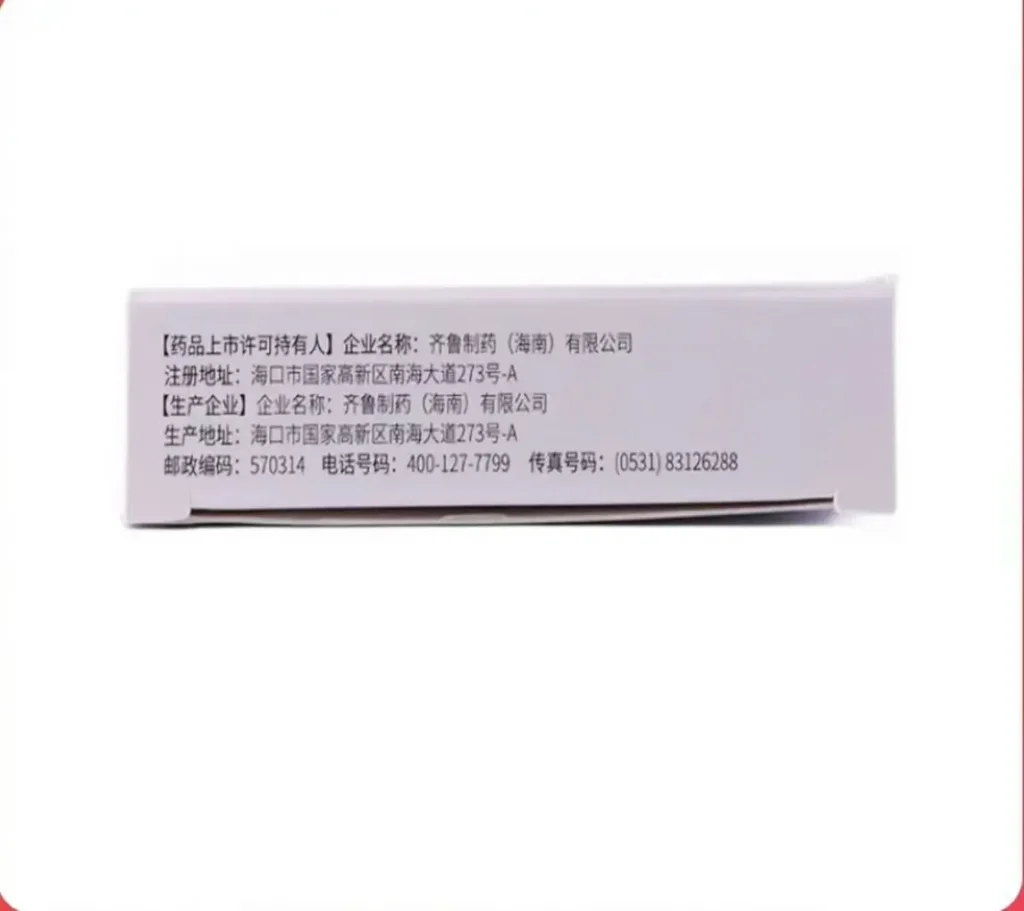
Scientific References
- European Medicines Agency (EMA). Iressa – European Public Assessment Report and Product Information.
https://www.ema.europa.eu/en/medicines/human/EPAR/iressa - US National Cancer Institute (NCI). Gefitinib – Cancer Drug Information.
https://www.cancer.gov/about-cancer/treatment/drugs/gefitinib - US National Library of Medicine. DailyMed – Gefitinib Tablets Prescribing Information.
https://dailymed.nlm.nih.gov/dailymed/lookup.cfm?setid=1a3c0ce7-06a1-4e04-9106-14ddb2a866a5
Research Use Statement
This page provides pharmaceutical and scientific information for educational purposes. Gefitinib is a prescription oncology medicine, not a research-use-only product.
It is not intended to replace professional medical advice, diagnosis, or treatment. Clinical use must be supervised by qualified healthcare professionals and comply with applicable prescribing information and local regulations.



Reviews
Clear filtersThere are no reviews yet.