Everolimus Tablets
| Product Attribute |
Details |
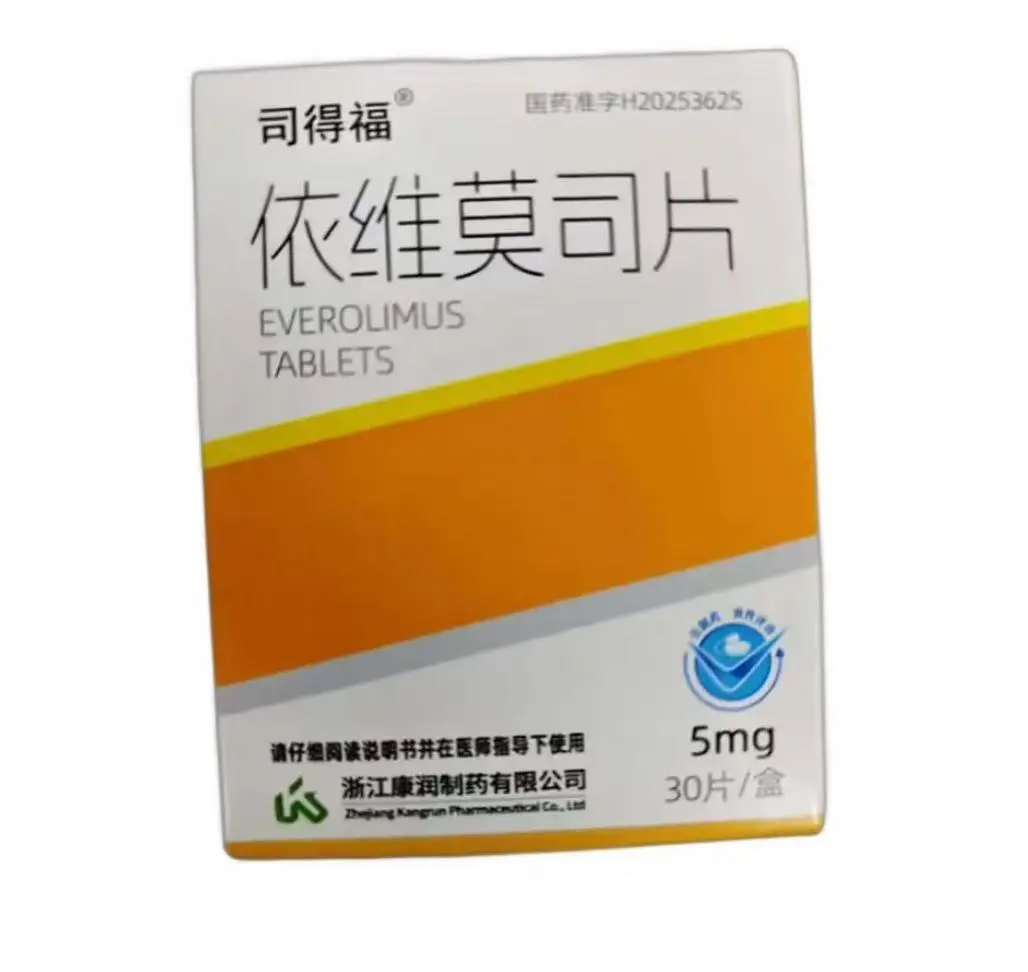
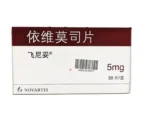
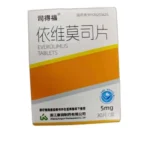
| Product Name |
Everolimus Tablets |
| Chinese Name |
依维莫司片 |
| Brand Name |
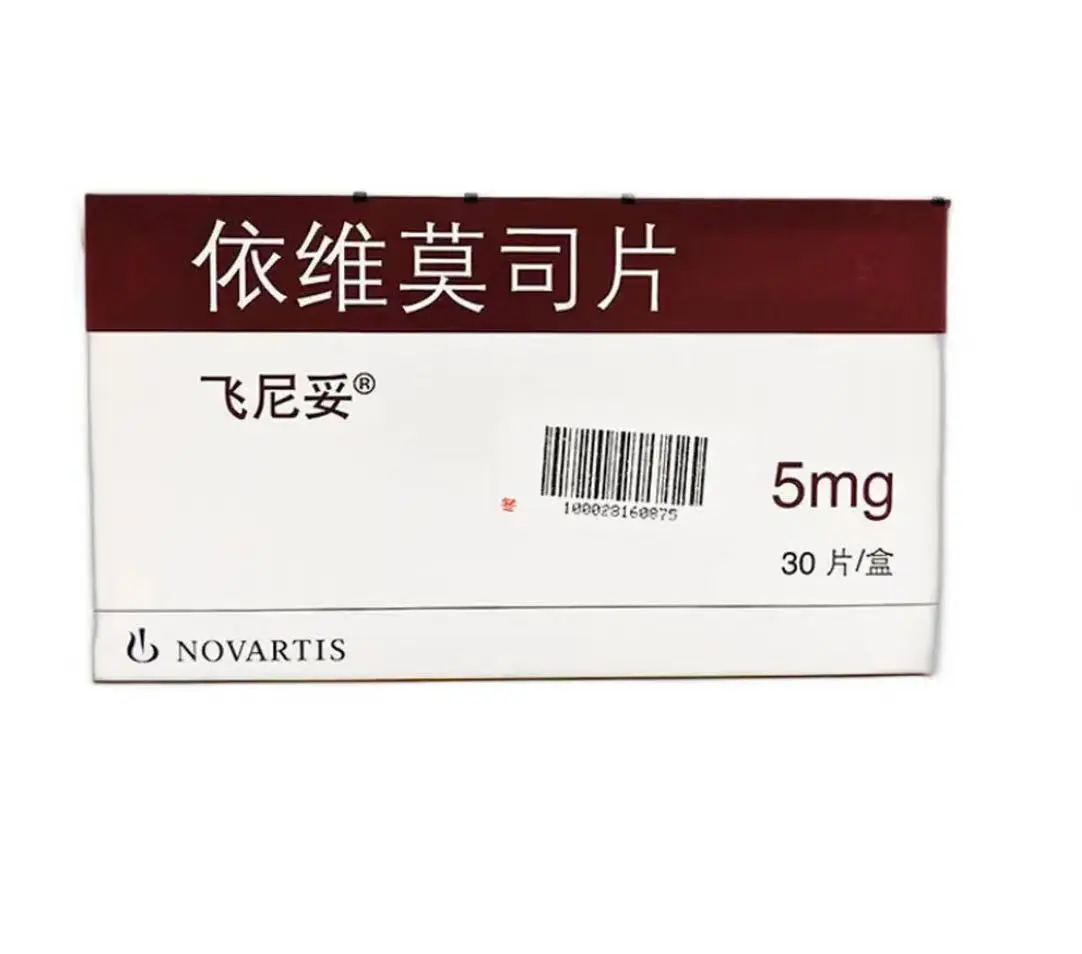
飞尼妥® (Afinitor) |
| Active Ingredient |
Everolimus |
| Strength |
5mg |
| Dosage Form |
Oral tablets |
| Route of Administration |
Oral |
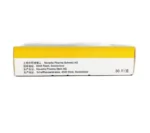
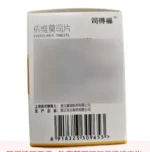
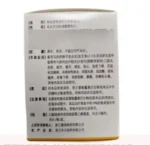
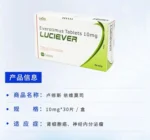
| Package Specification |
30 tablets per box |
| Manufacturer |
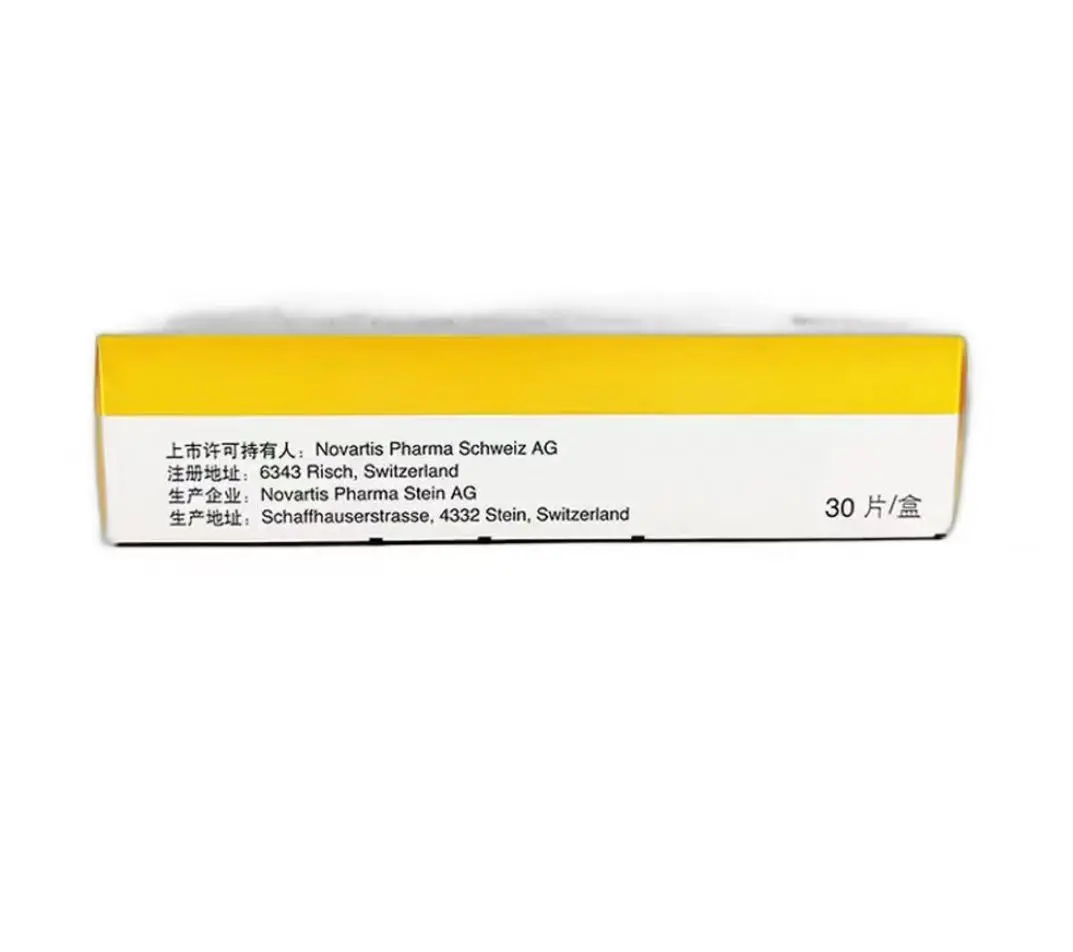
Novartis Pharma Stein AG |
| Manufacturer Country |
Switzerland |
| Marketing Authorization Holder |
Novartis Pharma Schweiz (as listed in the supplied catalog) |
| China Registration Number |
HJ20171145 |
| Product Classification |
Prescription oncology medicine |
Product Overview
Everolimus Tablets contain everolimus, an orally administered targeted anticancer medicine belonging to the mammalian target of rapamycin (mTOR) inhibitor class.
Everolimus is used in several cancer treatment settings, including selected cases of hormone receptor-positive, HER2-negative advanced breast cancer, pancreatic neuroendocrine tumors, gastrointestinal or lung neuroendocrine tumors, and advanced renal cell carcinoma.
Everolimus is also used in certain conditions associated with tuberous sclerosis complex (TSC), depending on the formulation and regional authorization.
The international brand name for everolimus in oncology is Afinitor. In China, the product listed in the supplied catalog is 飞尼妥®.
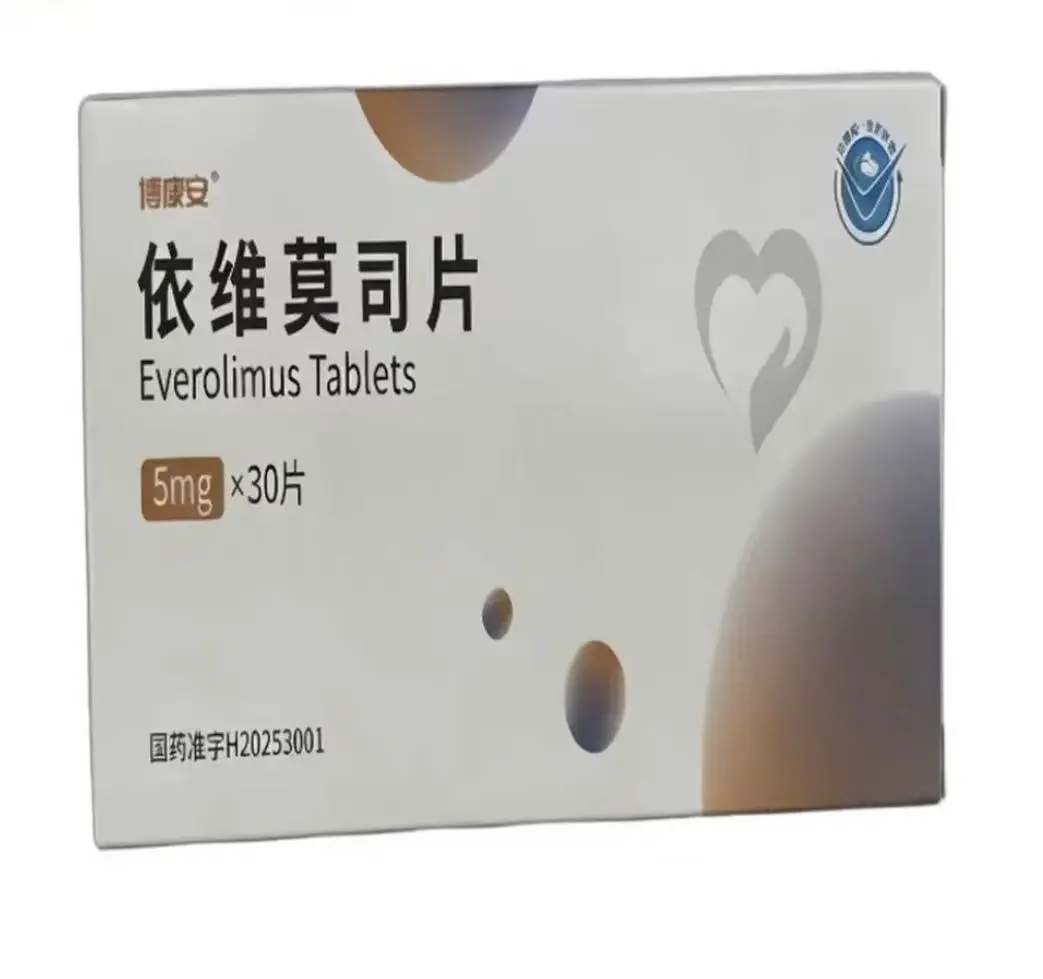
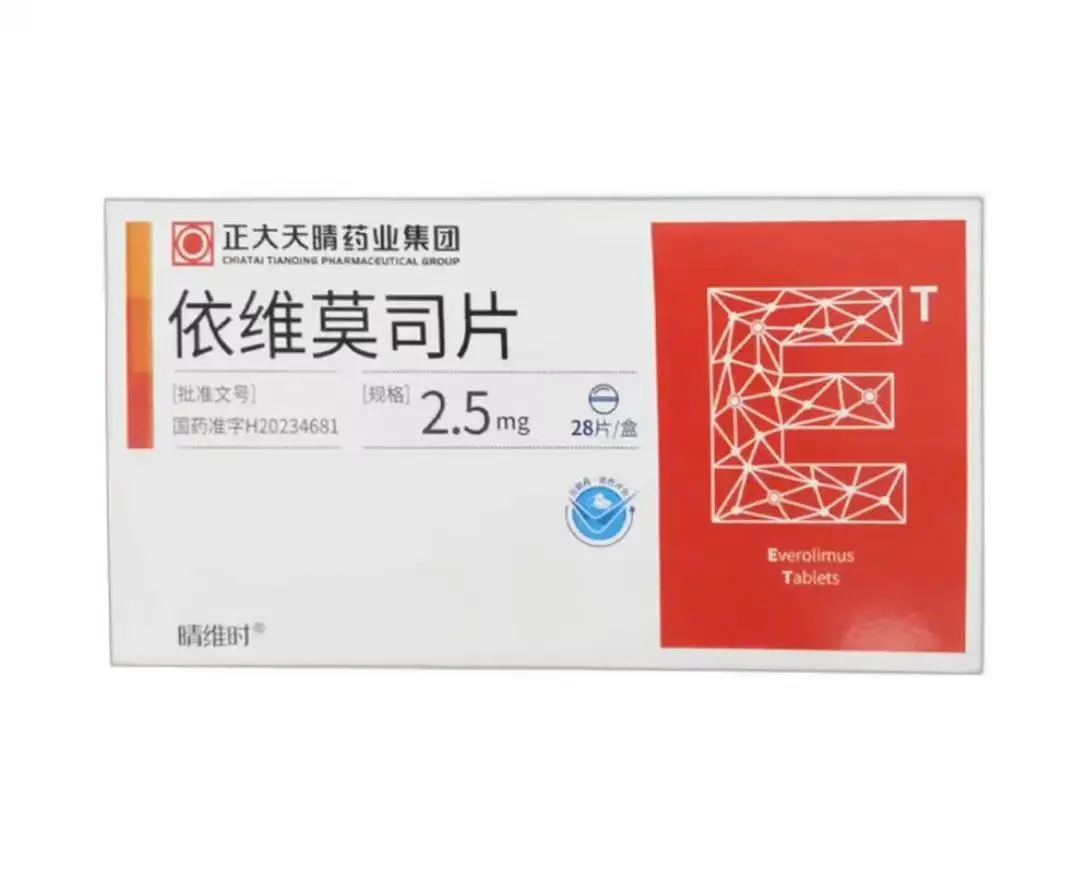
The product specification covered on this page is 5mg per tablet, supplied in a box of 30 tablets.
Mechanism of Action
Everolimus is a selective inhibitor of the mechanistic target of rapamycin (mTOR), particularly mTOR complex 1 (mTORC1).
Inside cells, everolimus binds to the intracellular protein FKBP-12. The resulting complex interacts with mTORC1 and inhibits its signaling activity.
The mTOR pathway regulates several important cellular processes, including:
- Protein synthesis and cell growth.
- Cell proliferation and metabolism.
- Angiogenesis and tumor blood supply.
- Cellular responses to growth factors and nutrients.
Inhibition of mTORC1 can reduce the activity of downstream signaling proteins involved in tumor cell growth and proliferation.
Everolimus may also interfere with tumor angiogenesis by reducing the expression of factors involved in blood vessel formation.
Its activity is particularly relevant to certain cancers in which the PI3K/AKT/mTOR signaling pathway contributes to tumor development and progression.
Therapeutic Indications
Everolimus has several approved indications. Treatment eligibility depends on the cancer type, disease stage, previous therapies and regional regulatory authorization.
Hormone Receptor-Positive, HER2-Negative Advanced Breast Cancer
Everolimus is indicated in combination with exemestane for selected postmenopausal women with advanced hormone receptor-positive, HER2-negative breast cancer.
In the European prescribing information, this treatment setting applies to patients without symptomatic visceral disease whose cancer has recurred or progressed following a non-steroidal aromatase inhibitor.
The combination targets different biological pathways: exemestane reduces estrogen production, while everolimus inhibits mTOR signaling.
Pancreatic Neuroendocrine Tumors (PNET)
Everolimus is indicated for adults with progressive, unresectable or metastatic pancreatic neuroendocrine tumors.
Eligible tumors may be well differentiated or moderately differentiated, depending on the applicable regional prescribing information.
Treatment aims to inhibit tumor growth and delay disease progression through mTOR pathway suppression.
Gastrointestinal and Lung Neuroendocrine Tumors
Everolimus is indicated in selected adults with progressive, unresectable or metastatic, well-differentiated non-functional neuroendocrine tumors originating in the gastrointestinal tract or lungs.
The European indication includes Grade 1 or Grade 2 tumors.
Functional neuroendocrine tumors and other tumor subtypes should not automatically be considered eligible for this treatment.
Advanced Renal Cell Carcinoma (RCC)
Everolimus is indicated for selected patients with advanced renal cell carcinoma whose disease has progressed during or after VEGF-targeted therapy.
It provides an alternative targeted treatment approach by inhibiting mTOR signaling rather than directly blocking VEGF receptors.
Tuberous Sclerosis Complex-Associated Conditions
The US prescribing information also includes certain indications involving tuberous sclerosis complex:
- Renal angiomyolipoma in adults with TSC when immediate surgery is not required.
- Subependymal giant cell astrocytoma (SEGA) requiring therapeutic intervention when curative surgical resection is not possible.
These indications are subject to the specific formulation, age requirements and regional prescribing information. The US indication for TSC-associated partial-onset seizures applies to Afinitor Disperz, not the standard Afinitor tablet formulation described on this page.
Regional approval note: The indications above summarize relevant international prescribing information. They should not be interpreted as a statement that every indication is approved for this specific Chinese-registered product. The locally authorized package insert determines the approved uses in each market.
Clinical Research and Evidence
BOLERO-2 Trial
BOLERO-2 evaluated everolimus in combination with exemestane in postmenopausal women with hormone receptor-positive, HER2-negative advanced breast cancer that had progressed after previous non-steroidal aromatase inhibitor therapy.
The study demonstrated a significant improvement in progression-free survival compared with exemestane alone.
These findings established an important clinical evidence base for mTOR inhibition in selected patients with advanced hormone receptor-positive breast cancer.
RADIANT-3 Trial
RADIANT-3 investigated everolimus in patients with advanced pancreatic neuroendocrine tumors.
The study demonstrated improved progression-free survival compared with placebo, supporting the use of everolimus in selected patients with progressive pancreatic neuroendocrine tumors.
RADIANT-4 Trial
RADIANT-4 evaluated everolimus in patients with progressive, well-differentiated, non-functional neuroendocrine tumors of gastrointestinal or lung origin.
The results showed a significant improvement in progression-free survival compared with placebo.
The study contributed to the clinical evidence supporting everolimus in selected patients with advanced non-functional neuroendocrine tumors.
RECORD-1 Trial
RECORD-1 investigated everolimus in patients with advanced renal cell carcinoma following progression on or after VEGF-targeted therapy.
The study demonstrated improved progression-free survival compared with placebo, supporting everolimus as a treatment option in previously treated advanced RCC.
Everolimus Tablets are supplied as oral tablets. The product specification listed in this catalog is 5mg per tablet, with 30 tablets per box.
For several oncology indications in the European and US prescribing information, the recommended adult dose is 10mg once daily. However, the actual prescribed dose depends on the indication, formulation, liver function, concomitant medicines and treatment tolerability.
The 5mg tablet strength may be used as part of an individualized dose regimen or dose-adjustment strategy. It does not represent a universal daily dose.
Everolimus should generally be taken at the same time each day and consistently either with or without food. Tablets should be swallowed whole with water and should not be chewed or crushed.
Dose interruption or reduction may be necessary when significant adverse reactions occur. Patients with hepatic impairment may require dosage adjustment.
Everolimus treatment must be initiated and monitored by a physician experienced in anticancer therapy. Patients should follow the prescription and applicable product information rather than adjusting their dosage independently.
Everolimus can cause serious and potentially life-threatening adverse reactions. Clinical assessment and ongoing monitoring are essential throughout treatment.
Non-Infectious Pneumonitis
Non-infectious pneumonitis, including interstitial lung disease, is an important risk associated with everolimus.
Symptoms may include:
- Persistent cough.
- Shortness of breath.
- Difficulty breathing.
- Chest discomfort.
- Reduced exercise tolerance.
New or worsening respiratory symptoms require prompt medical evaluation. Treatment interruption or discontinuation may be necessary depending on severity.
Infections and Immunosuppression
Everolimus suppresses certain immune functions and may increase susceptibility to infections.
Reported infections include bacterial, viral, fungal and opportunistic infections.
Patients should be monitored for signs of infection. Live vaccines are generally avoided during treatment because of the risk associated with immunosuppression.
Stomatitis and Oral Ulcers
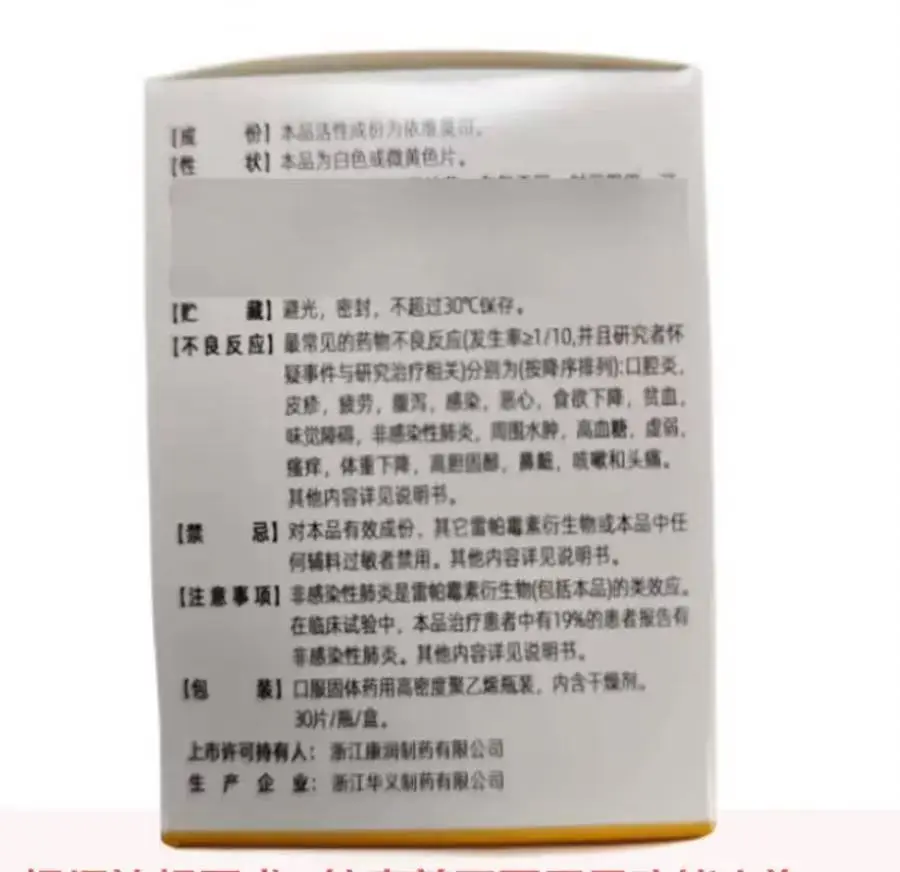
Stomatitis, mouth ulcers and oral mucosal inflammation are among the commonly reported adverse reactions.
Symptoms may include:
- Mouth pain.
- Oral ulcers.
- Difficulty eating or swallowing.
- Inflammation of the oral mucosa.
Oral assessment and appropriate preventive or supportive care may help manage these complications.
Everolimus may cause or worsen:
- Hyperglycemia.
- Hypercholesterolemia.
- Hypertriglyceridemia.
Blood glucose and lipid levels should be assessed before treatment and monitored periodically.
Myelosuppression
Everolimus may cause reductions in blood cell counts, including:
- Anemia.
- Neutropenia.
- Thrombocytopenia.
Complete blood counts should be monitored during treatment.
Renal Dysfunction
Renal failure and deterioration in kidney function have been reported. Baseline and periodic renal function assessment may be required.
Impaired Wound Healing
Everolimus may interfere with normal wound healing.
Patients scheduled for elective surgery or those recovering from major surgery require careful assessment. Treatment interruption may be necessary according to the applicable prescribing information.
Other Adverse Reactions
Additional commonly reported adverse reactions include:
- Rash and itching.
- Fatigue and weakness.
- Diarrhea.
- Nausea and vomiting.
- Decreased appetite.
- Peripheral edema.
- Cough.
- Headache.
- Weight loss.
- Elevated liver enzymes.
Drug Interactions
Everolimus is metabolized primarily through CYP3A4 and is a substrate of P-glycoprotein (P-gp).
Strong CYP3A4 or P-gp inhibitors may increase everolimus exposure, while strong enzyme inducers may reduce drug exposure.
Concomitant medicines should be reviewed by the treating physician or pharmacist before and during treatment.
Authoritative References
- European Medicines Agency – Afinitor EPAR
- European Medicines Agency – Afinitor Product Information
- US FDA / DailyMed – Afinitor Prescribing Information, Revised June 2026
- UK Electronic Medicines Compendium – Afinitor 5mg Tablets SmPC
- National Cancer Institute – Everolimus
Medical Product Statement
Everolimus Tablets are a prescription oncology medicine intended for use under the supervision of qualified healthcare professionals.
The information on this page is provided for general pharmaceutical and product identification purposes. It does not replace the official package insert, locally approved prescribing information or professional medical advice.
Indications, dosage, contraindications, formulations and regulatory status vary by country and region. Some indications may apply only to specific everolimus formulations.
This product must not be used for self-medication. Importation, distribution and dispensing are subject to applicable pharmaceutical regulations.







 Courier delivery







Reviews
Clear filtersThere are no reviews yet.