Aprepitant Capsules – 意美 (EMEND)
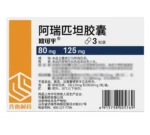
Aprepitant Capsules are an oral antiemetic medicine containing aprepitant, a selective neurokinin-1 (NK1) receptor antagonist. It is used in combination with other antiemetic agents to help prevent nausea and vomiting associated with cancer chemotherapy.
| Product Attribute |
Details |
| Product Name |
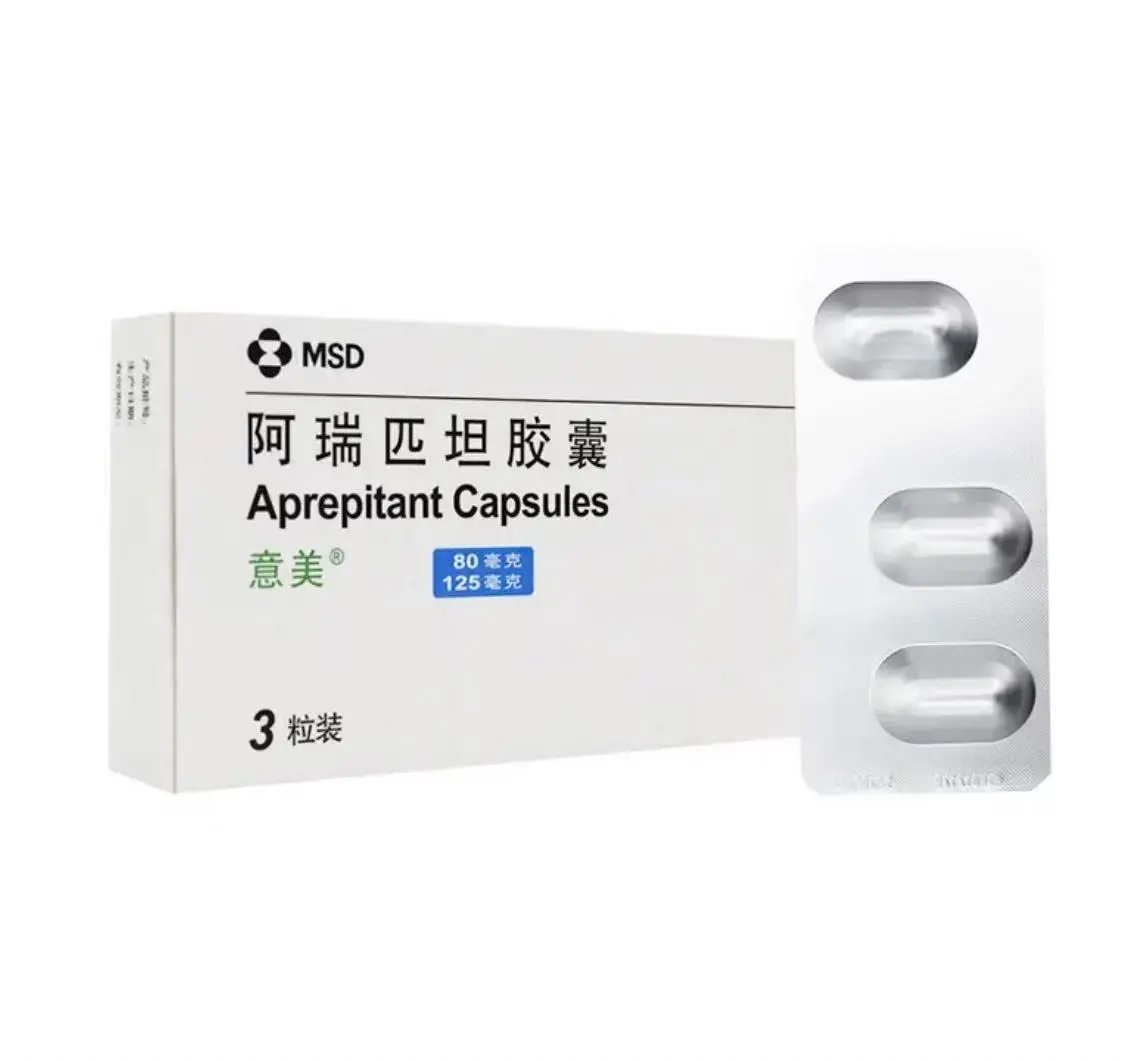
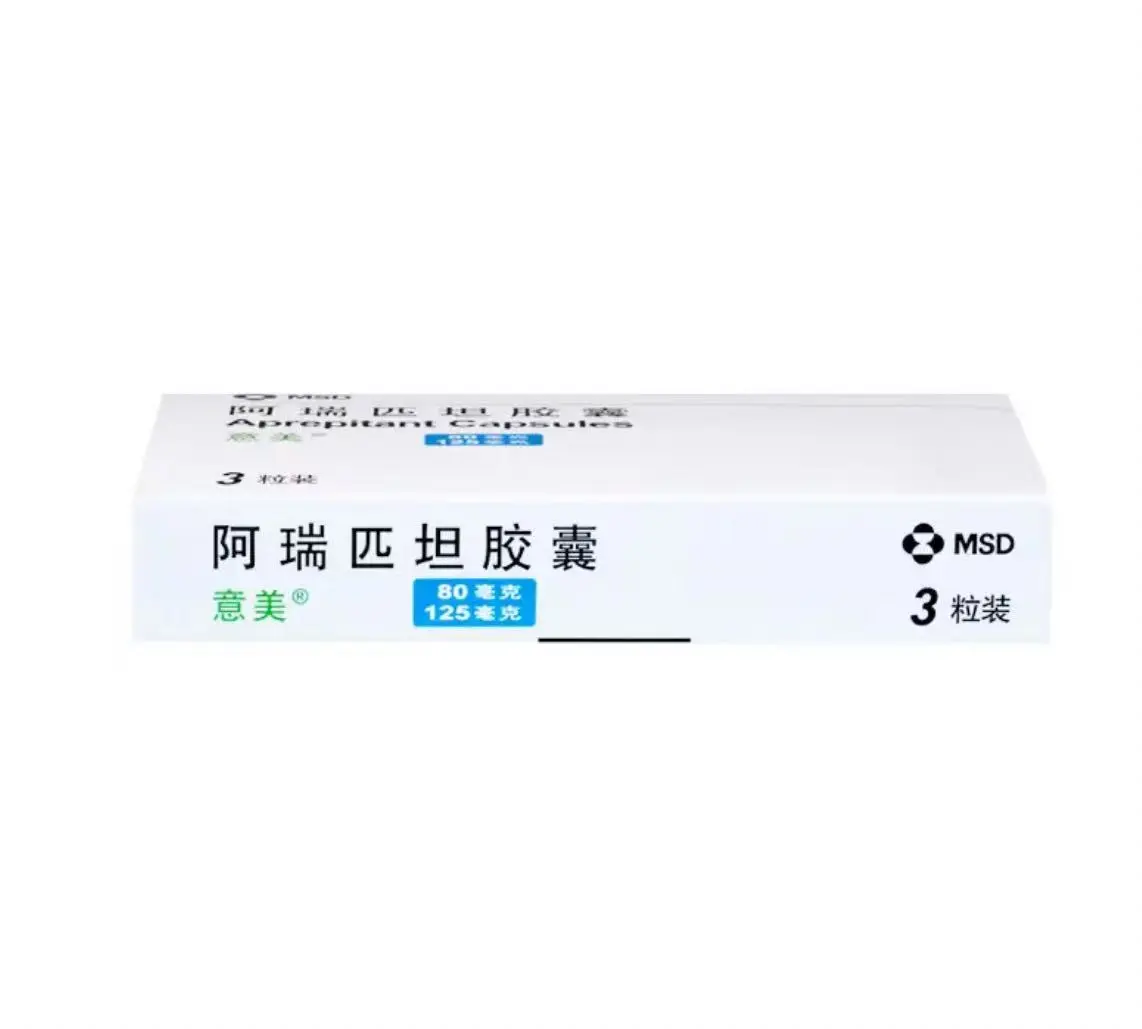
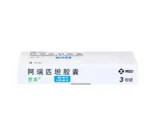
Aprepitant Capsules |
| Chinese Product Name |
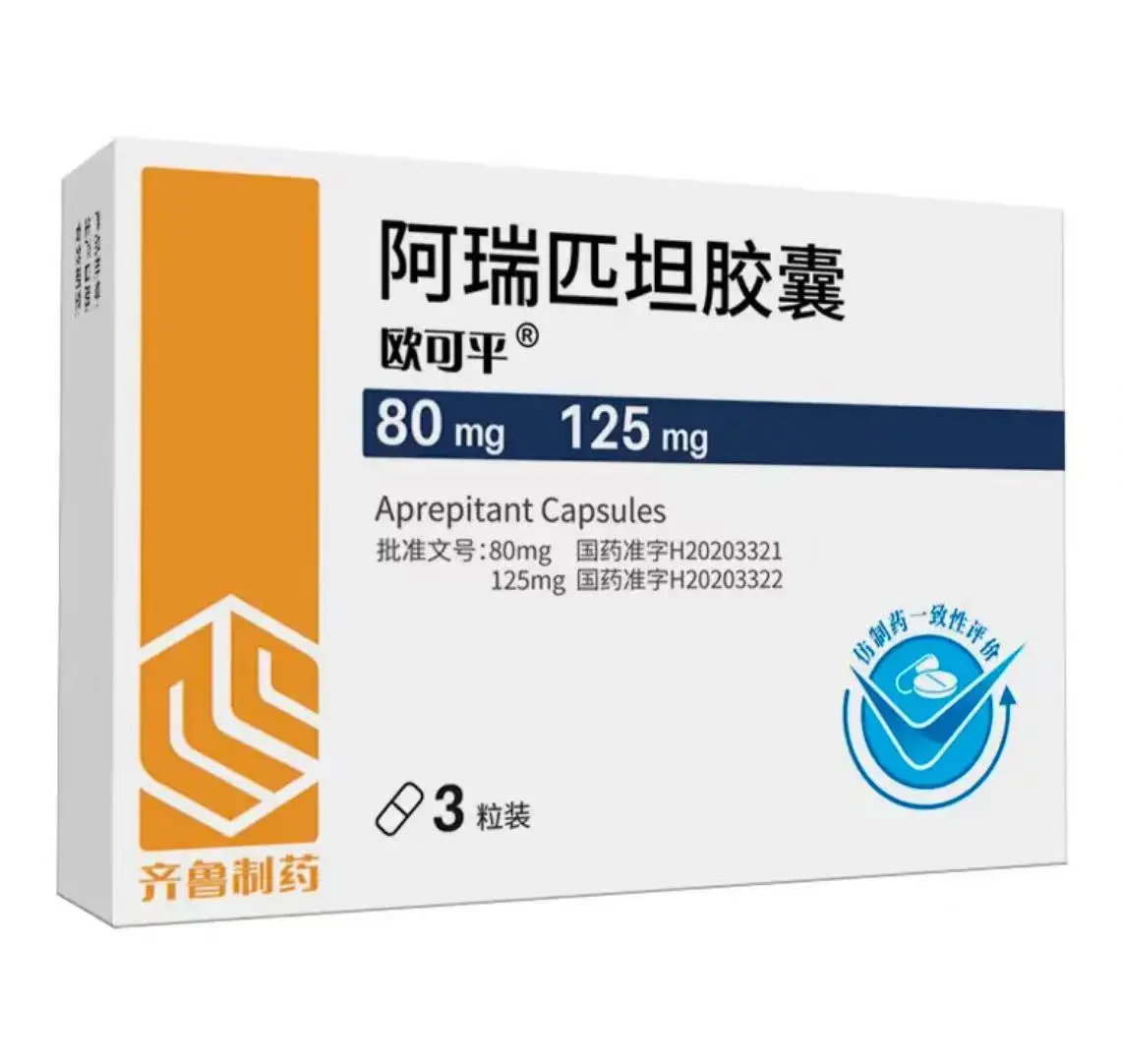
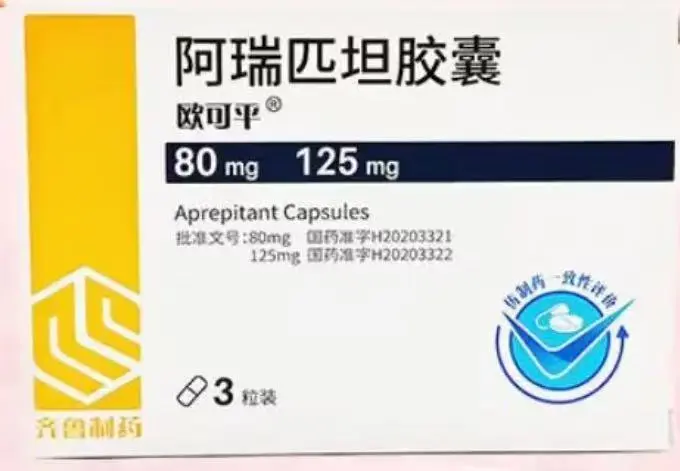
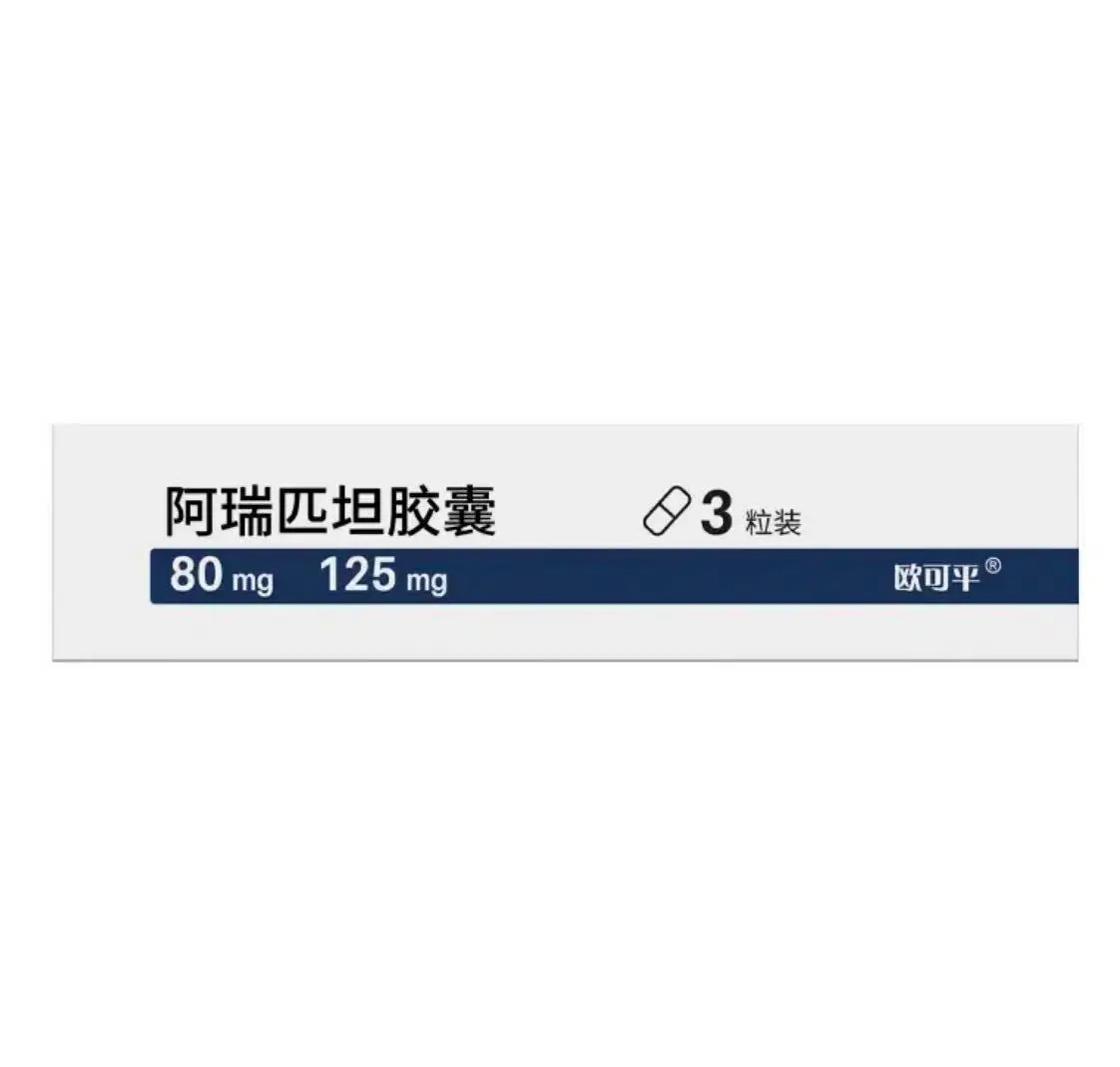
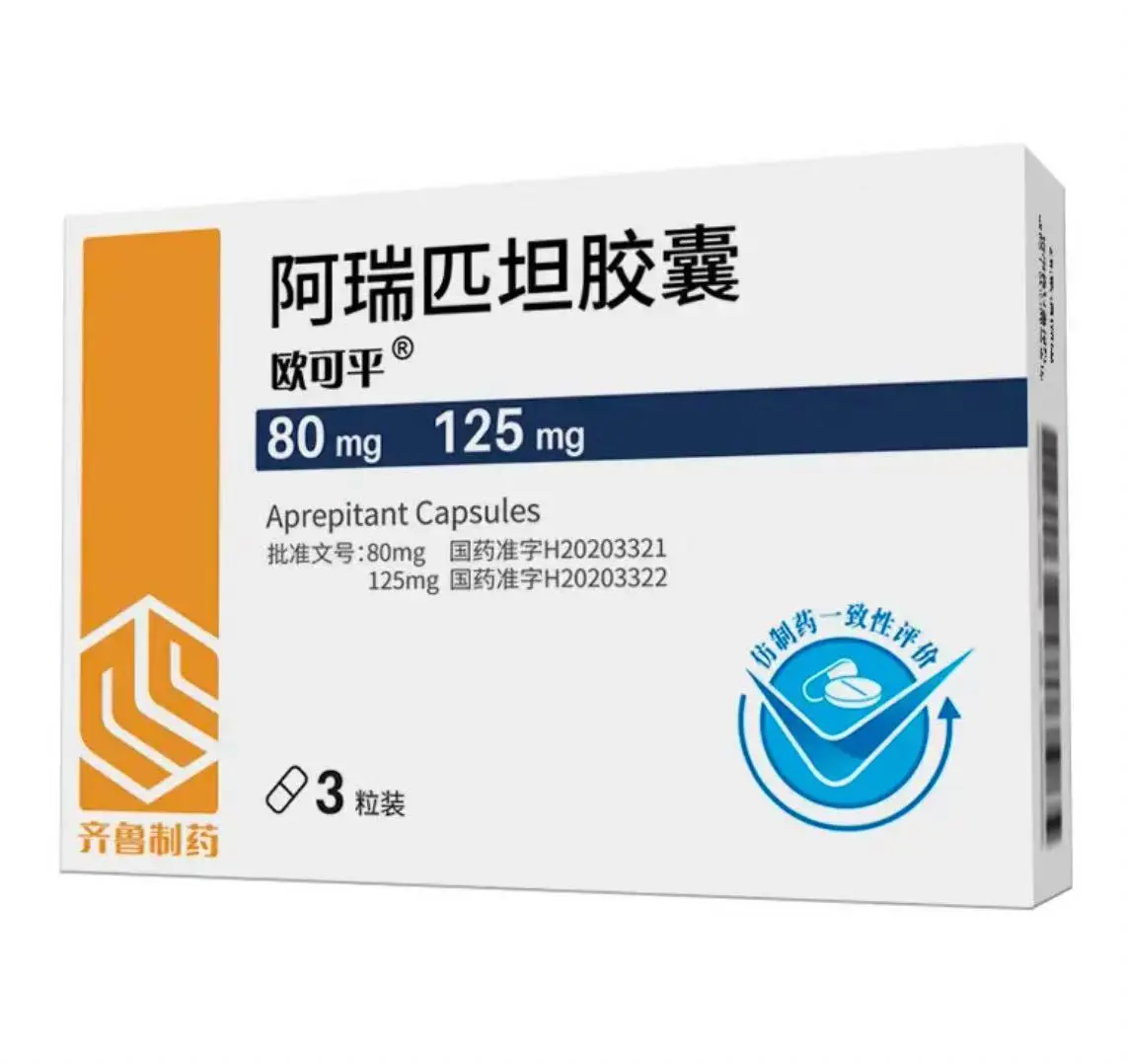
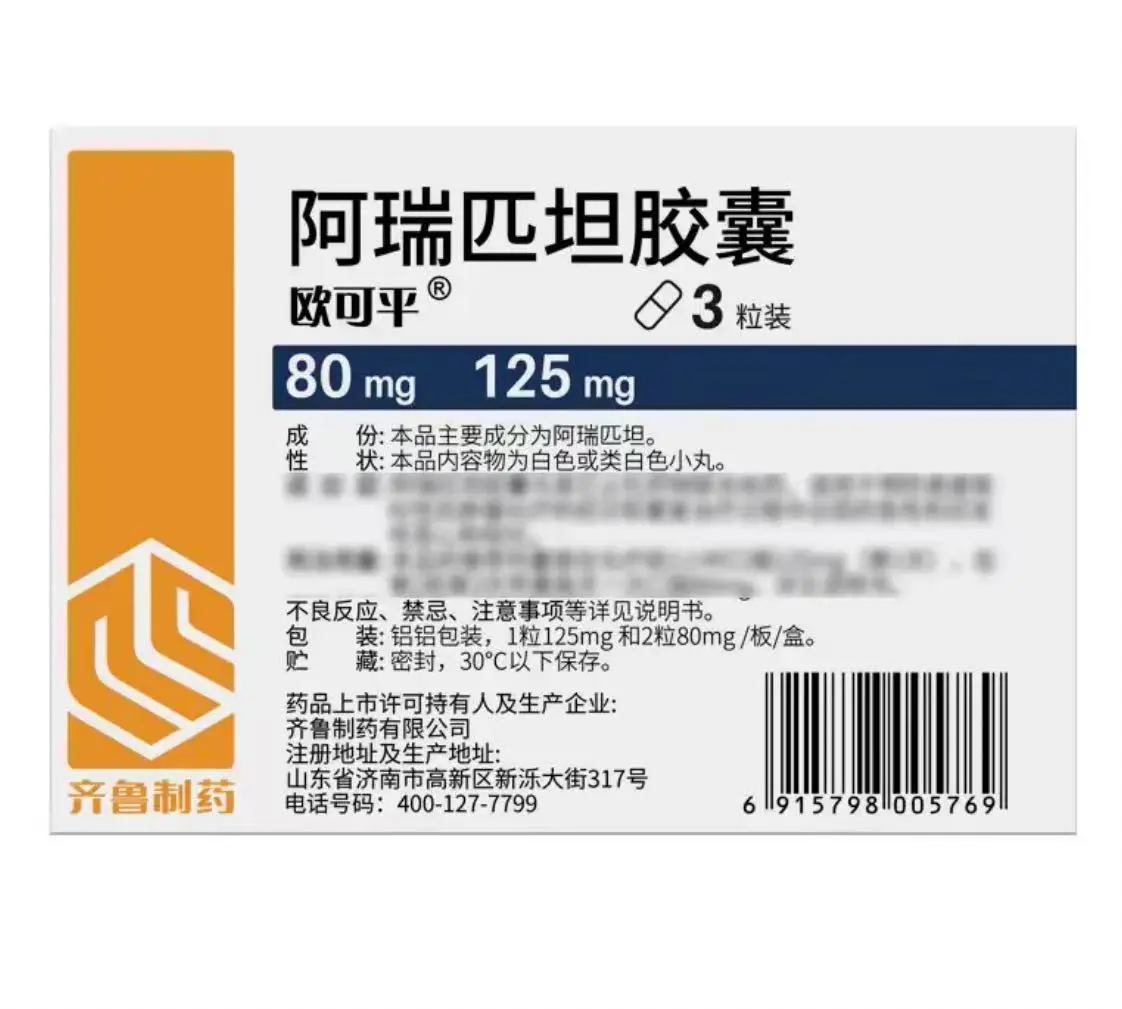
阿瑞匹坦胶囊 |
| Brand Name |
意美® (EMEND) |
| Active Ingredient |
Aprepitant |
| Available Strengths |
80mg and 125mg |
| Dosage Form |
Hard capsules |
| Route of Administration |
Oral |
| Package Specification |
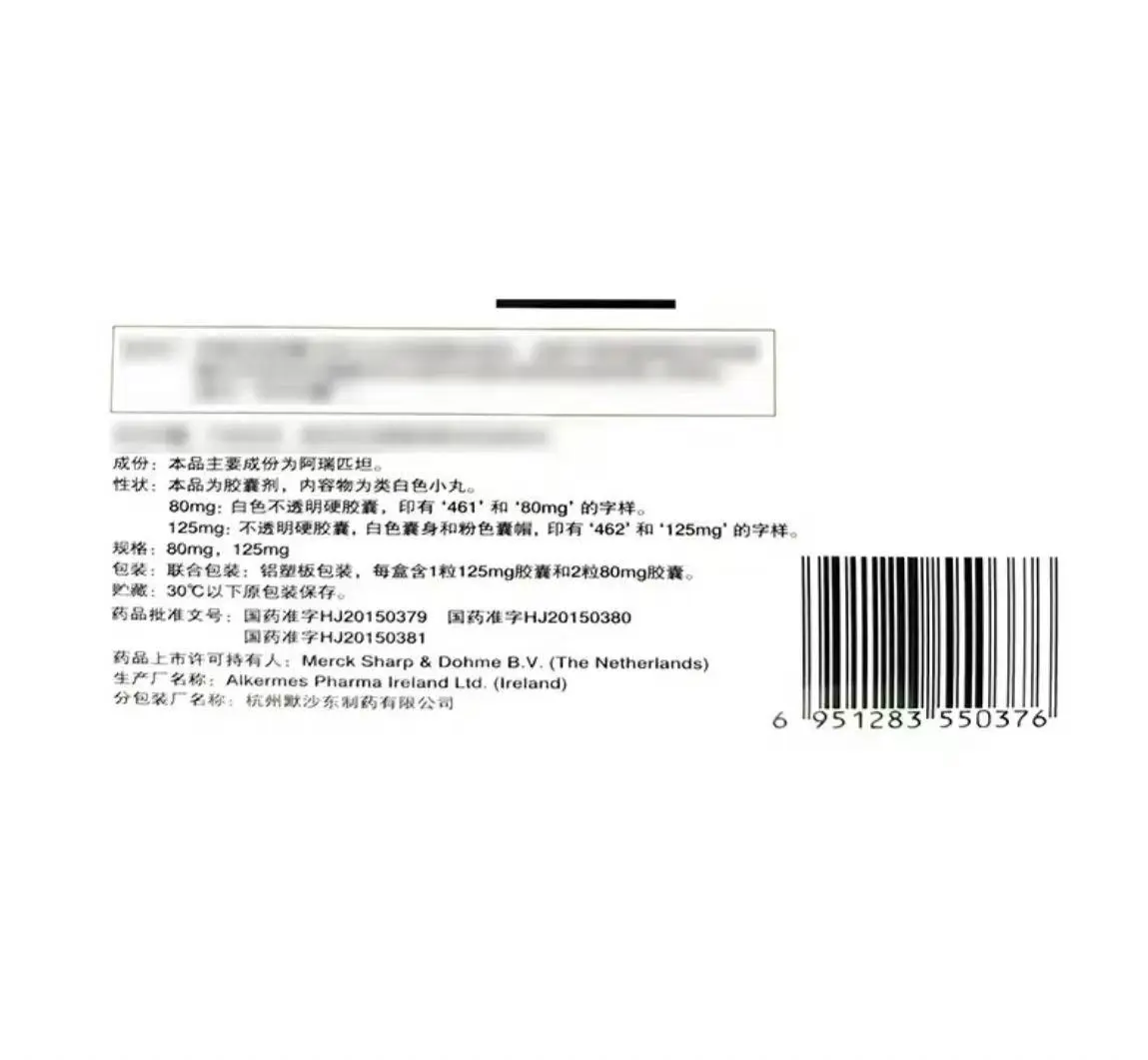
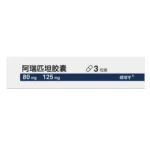
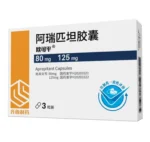
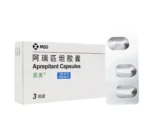
125mg × 1 capsule + 80mg × 2 capsules/box |
| Manufacturer |
Alkermes Pharma Ireland Ltd. |
| Marketing Authorization Holder |
Merck Sharp & Dohme B.V. |
| China Approval Reference |
H20150379 |
| Additional Registration Reference |
H20150380 – bulk product for repackaging; not the retail combination pack |
| Therapeutic Class |
Antiemetic; NK1 receptor antagonist |
| ATC Code |
A04AD12 |
| Prescription Status |
Prescription medicine |
Product and packaging details are based on the supplied procurement information and available registration records. Verify the current registration status, physical packaging, leaflet, and batch documentation before supply.
Product Overview
Aprepitant is a selective antagonist of human substance P/neurokinin-1 (NK1) receptors. It is designed to prevent nausea and vomiting associated with cancer chemotherapy by blocking the binding of substance P to NK1 receptors in the central nervous system.
The medicine is commonly used as part of a combination antiemetic regimen that may include a corticosteroid, such as dexamethasone, and a 5-HT3 receptor antagonist. This combination approach addresses different pathways involved in chemotherapy-induced nausea and vomiting.
The EMEND brand is available in multiple formulations and strengths in different markets. The 80mg and 125mg capsules are used in established multi-day regimens for prevention of chemotherapy-induced nausea and vomiting.
Mechanism of Action
Aprepitant selectively blocks neurokinin-1 (NK1) receptors. Substance P is a neuropeptide involved in transmitting signals associated with nausea and vomiting.
When substance P binds to NK1 receptors in areas of the central nervous system involved in emesis, it can activate pathways that contribute to the vomiting reflex.
Aprepitant inhibits this interaction by binding to NK1 receptors, thereby reducing substance P-mediated signaling.
Key Pharmacological Characteristics
- Target: Neurokinin-1 (NK1) receptor
- Endogenous Ligand: Substance P
- Pharmacological Action: Selective NK1 receptor antagonism
- Therapeutic Role: Prevention of chemotherapy-induced nausea and vomiting as part of combination antiemetic therapy
Aprepitant acts through a different pathway from 5-HT3 receptor antagonists and corticosteroids, which is why these agents are commonly combined in clinical antiemetic regimens.
Therapeutic Indications
Prevention of Chemotherapy-Induced Nausea and Vomiting
According to the Chinese prescribing information for 意美 (Aprepitant Capsules), the medicine is administered in combination with other antiemetic agents to prevent acute and delayed nausea and vomiting during initial and repeat courses of highly emetogenic anticancer chemotherapy.
The European product information for EMEND 80mg and 125mg capsules includes prevention of nausea and vomiting associated with highly and moderately emetogenic cancer chemotherapy in adults and adolescents aged 12 years and older, as part of combination therapy.
The US prescribing information also includes prevention of acute and delayed nausea and vomiting associated with highly and moderately emetogenic chemotherapy in patients aged 12 years and older.
Regulatory note: Approved indications differ between countries and product formulations. The indication applicable to the specific product being supplied should be confirmed against its local approved prescribing information.
The supplied combination pack contains:
- One 125mg capsule
- Two 80mg capsules
For the commonly used three-day adult chemotherapy-induced nausea and vomiting regimen, the prescribing information describes:
| Treatment Day |
Aprepitant Dose |
| Day 1 |
125mg orally |
| Day 2 |
80mg orally |
| Day 3 |
80mg orally |
Aprepitant is administered as part of a combination regimen with other antiemetic medicines. The timing and doses of accompanying medicines depend on the chemotherapy regimen and applicable prescribing information.
The table is a description of a labeled regimen, not an individualized treatment recommendation. Patients should follow their oncology team’s instructions.
Clinical Evidence
Prevention of Chemotherapy-Induced Nausea and Vomiting
Clinical studies have evaluated aprepitant as part of combination antiemetic therapy in patients receiving highly or moderately emetogenic chemotherapy.
The addition of an NK1 receptor antagonist to a regimen containing a corticosteroid and a 5-HT3 receptor antagonist improves prevention of chemotherapy-induced nausea and vomiting in appropriate patient populations.
The treatment strategy addresses both acute and delayed phases of chemotherapy-induced emesis. Aprepitant’s NK1 receptor activity is particularly relevant to the control of delayed nausea and vomiting, which is not fully addressed by targeting serotonin pathways alone.
Role in Combination Antiemetic Therapy
Aprepitant is not generally used as a replacement for all other antiemetic agents. Its clinical role is as one component of a multidrug prevention regimen selected according to the emetogenic risk of the chemotherapy and the patient’s clinical circumstances.
Aprepitant may cause adverse reactions and clinically significant drug interactions. Its use requires review of the patient’s medication history and the applicable prescribing information.
Commonly Reported Adverse Reactions
Reported adverse reactions vary by treatment regimen and patient population. They may include:
- Fatigue
- Hiccups
- Constipation
- Diarrhea
- Dyspepsia
- Decreased appetite
- Headache
- Dizziness
Important Warnings and Precautions
Drug Interactions: Aprepitant affects CYP3A4 activity and may alter the exposure of medicines metabolized through this pathway. Medication review is important before and during treatment.
Corticosteroid Interactions: Aprepitant can increase exposure to certain corticosteroids, including dexamethasone. The corticosteroid dose may require adjustment according to the applicable regimen and prescribing information.
Warfarin: Aprepitant may reduce the international normalized ratio (INR) in patients receiving warfarin. INR monitoring is recommended when clinically appropriate, particularly after treatment.
Hormonal Contraceptives: Aprepitant may reduce the effectiveness of hormonal contraceptives during treatment and for a period after the final dose. The applicable product information should be consulted for recommended additional contraceptive precautions.
Hypersensitivity: Serious hypersensitivity reactions have been reported. Treatment should be assessed promptly if signs of an allergic reaction occur.
Prescription and Medical Supervision
Aprepitant is a prescription medicine. It should be used under the direction of a qualified healthcare professional as part of an appropriate antiemetic regimen. It is intended for prevention in specified clinical settings and should not be assumed to treat nausea and vomiting that are already established.
Medical and Regulatory References
- European Medicines Agency (EMA). EMEND – European Public Assessment Report
- European Medicines Agency (EMA). EMEND – Product Information
- U.S. National Library of Medicine – DailyMed. Aprepitant Capsules – Prescribing Information
- National Center for Medical Information, China. Aprepitant Capsules – Registration Record H20150379
Medical Product Statement
Aprepitant Capsules are a prescription pharmaceutical product. The information on this page is provided for product identification and educational purposes and does not replace the official package insert or advice from a qualified healthcare professional.
Product registration, approved indications, packaging, importation, distribution, and dispensing requirements vary by jurisdiction. All supply and use must comply with applicable pharmaceutical laws and regulations.



 Courier delivery







Reviews
Clear filtersThere are no reviews yet.